




News

What HDT Does Vinyl Ester Resin Need for Hot Pipes?
Vinyl ester resin for hot pipe service usually needs a heat deflection temperature (HDT) of at least 100°C (212°F), with the exact value set by the highest operating temperature plus a safety margin. This guide explains how HDT is measured under ASTM D648, how to calculate the required value for a given pipeline, and why post-cure at 80°C then 100°C is essential to reach rated performance. It also compares standard and high-HDT grades on thermal performance, chemical resistance, compliance, and cost, and shows how to match novolac, filament winding, and hand lay-up grades to different pipe duties. POLYMER's Epoxy & Vinyl Ester Resin offers HDT above 105°C for demanding hot-pipe and anti-corrosion service.
2026-11-12

Which Vinyl Ester Resin Grade Fits Acid Scrubbers
Choosing the right vinyl ester resin grade for an acid scrubber depends on acid type and concentration, operating temperature, thermal cycling, fire codes, and budget. This guide compares four main families—bisphenol-A (411 series) for dilute acids and oxidizers, novolac (470 series) for concentrated acids and high heat, brominated grades for fire-rated enclosures, and elastomer-modified grades for thermal cycling and impact. It explains why post-cure is essential, how C-glass reinforcement improves acid-exposed zones, and how a Type V classification should be read. A condition-to-grade mapping table helps specifiers match the family to the dominant risk. POLYMER's PLM-4470 is highlighted for scrubber and FGD tower service.
2026-11-07

Is Vinyl Ester Resin Right for Chemical Storage Tanks?
Vinyl ester resin is often a strong fit for chemical storage tanks—but only when the chemicals, temperature, and service life match its capabilities. This guide explains how vinyl ester's epoxy backbone protects against hydrolysis, why it outperforms standard epoxy in oxidizing chemicals like hypochlorite, and where polyester remains the more economical choice. It covers key performance factors including chemical and temperature resistance, the critical post-cure step needed to reach full cross-linking density, mechanical durability, and compliance with industry standards. You'll also learn when vinyl ester is the wrong choice—above its HDT limit or with solvents requiring a thermoplastic liner—and how to evaluate total lifecycle cost. POLYMER's PLM-197 grade is highlighted for extreme caustic service in metallurgical plants.
2026-11-03
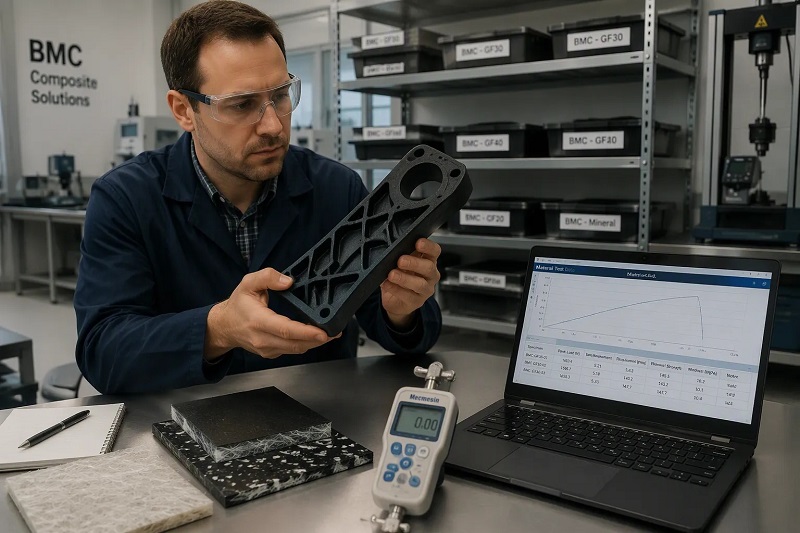
How to Select High-Strength BMC Resins for Structural Parts
Selecting a high-strength BMC resin for structural parts comes down to five criteria: mechanical performance, environmental resistance, processing compatibility, regulatory compliance, and cost-performance. This guide walks you through each step—defining load cases and failure modes, comparing flexural, tensile, and impact data on a like-for-like basis, matching chemical and thermal resistance to real service conditions, confirming molding behavior and shelf life, and verifying UL94 V-0, RoHS, and REACH compliance. It also shows why total cost of ownership matters more than price per kilogram, and when a custom formulation beats a catalog grade. POLYMER's SMC & BMC Compounds offer flexural strength up to 240 MPa and tailored fiberglass content for demanding structural applications.
2026-10-30

How to Get Primerless Vacuum Metallization Right with BMC Resin
Primerless vacuum metallization on BMC removes the primer step while still meeting headlight-grade adhesion and reflectivity requirements. This technical guide covers the four pillars of a stable process: selecting a low-outgassing, fully cured BMC resin; preparing the surface through solvent cleaning, alkaline degreasing, plasma activation, and micro-etching; controlling chamber pressure, plasma power, and aluminum deposition rate; and validating results with tape, cross-hatch, and thermal cycling tests. It also provides a defect troubleshooting framework for adhesion failures, blistering, haze, pinholes, and uneven reflectivity. POLYMER's SMC & BMC Compounds offer low shrinkage and consistent surface appearance for surface-sensitive automotive applications.
2026-10-27

How to Compare CTI, Arc Resistance and Flame Ratings for SMC Resin for Electrical Enclosures
Selecting the right SMC resin for electrical enclosures requires more than comparing a single number. CTI, arc resistance, and flame ratings each measure a different safety property, and confusing them can lead to costly material misselection. This article breaks down the definitions, test standards, and application priorities behind each rating, and provides a side-by-side comparison framework for SMC, BMC, and DMC grades. It also explains how POLYMER's SMC & BMC compounds meet the high-demand requirements of circuit breaker housings, meter boxes, and distribution cabinets.
2026-10-24

SMC Resin Price vs. Total Cost: What Procurement Managers Often Miss
Most procurement teams choose SMC resin by unit price alone, but the lowest quote often becomes the most expensive across the full production cycle. This article breaks down hidden costs such as scrap, rework, downtime, and mold wear, and provides a practical total cost framework for comparing suppliers on real outcomes. It also shows how POLYMER's consistent quality and free test samples help you validate performance before committing to a purchase.
2026-10-19

How to Choose an SMC Resin Supplier?
Choosing the right SMC resin supplier is a high-stakes decision for any procurement team. This guide outlines seven critical factors — from batch consistency and production capacity to technical support, pricing transparency, and after-sales responsiveness — that you must verify before signing a contract. Use the provided scoring framework to compare suppliers objectively, and see how POLYMER's documented quality and service set a clear market benchmark.
2026-10-12
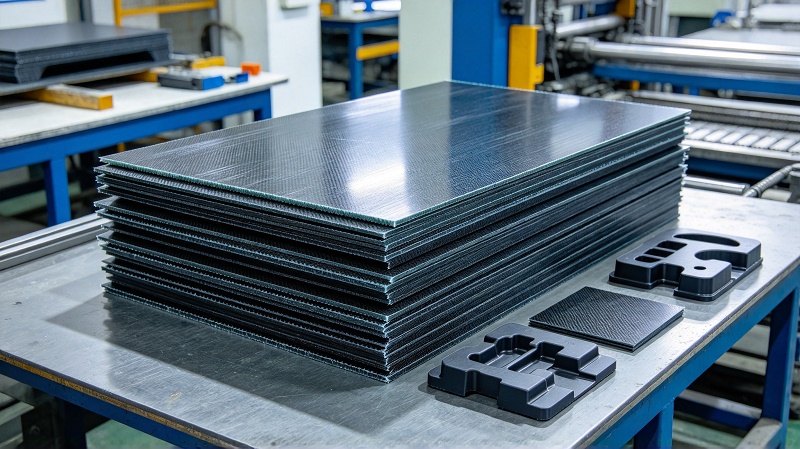
What Is SMC Plastic Material and What Key Properties Make It Durable?
SMC plastic material (Sheet Molding Compound) is a fiber-reinforced thermoset composite known for its exceptional durability. This article explains its composition, manufacturing process, and key properties—including high mechanical strength, corrosion and water resistance, flame retardancy, and electrical insulation. You'll discover how SMC outperforms steel, aluminum, and fiberglass in weight, design flexibility, and cost efficiency, and why it's widely used in automotive, electrical, construction, and marine industries. POLYMER's SMC & BMC Compounds deliver reliable performance for demanding applications.
2026-10-08

SMC Composite Material 3 Top Uses in Cars and Beyond
SMC composite material (Sheet Molding Compound) is transforming automotive and industrial manufacturing through three major applications: exterior body panels, structural and under-the-hood parts, and electrical/industrial components. This article explains why manufacturers choose SMC over steel and aluminum—highlighting weight savings up to 30%, tooling cost reductions of 50–70%, corrosion resistance, Class A surface finish, and fast compression molding cycles. Real-world examples include EV battery housings, liftgates, 5G antenna radomes, and SMC manhole covers lasting over 30 years. Polymer's flame-retardant SMC & BMC compounds deliver UL94 V-0 performance for demanding applications.
2026-09-28

5 Amazing Facts About DCPD Polyester Resin You Didn't Know
DCPD polyester resin is a high-performance unsaturated polyester modified with dicyclopentadiene, delivering superior toughness, low shrinkage, and strong chemical resistance. This article reveals five key facts about DCPD resin: how its unique molecular structure boosts impact resistance, why it prevents warping in large molds, how it withstands saltwater and industrial chemicals, why it emits fewer VOCs, and how its fast cure cycles boost production efficiency. Whether you build boat hulls, chemical tanks, or automotive panels, DCPD resin offers a practical balance of performance and cost. POLYMER supplies DCPD-modified formulations for demanding composite applications.
2026-09-24

What Is Unsaturated Polyester Resin (UPR)?
Unsaturated polyester resin (UPR) is a thermosetting polymer known for its strength, corrosion resistance, and cost-effectiveness. This complete guide covers UPR's chemical composition, manufacturing process, curing behavior, and key properties like gel time. You'll discover its major applications—from FRP pipes and chemical tanks to artificial marble and boat hulls—plus its advantages and limitations. A clear comparison with epoxy, vinyl ester, and thermoplastic resins helps you choose the right material. Polymer supplies custom UPR formulations for demanding industrial applications.
2026-09-15

What Is SMC Resin and Why It Matters for Modern Construction
SMC resin—short for Sheet Molding Compound—is a strong, lightweight composite material transforming modern construction. This guide explains what SMC resin is made of, its main types, and key properties like corrosion resistance, fire safety, and low shrinkage. You'll discover its top uses in wall panels, door skins, manhole covers, and automotive parts, plus how the manufacturing process works. SMC lasts decades outdoors, cuts maintenance costs, and supports sustainable building. Polymer supplies high-performance SMC resin solutions tailored for construction and industrial applications.
2026-09-11

Choose the Best Unsaturated Polyester Resin for Your Project
Choosing the right unsaturated polyester resin (UPR) can make or break your composite project. This guide walks you through defining project requirements, comparing resin types, evaluating mechanical strength and chemical resistance, and matching resin to your processing method. You'll learn how to assess manufacturers, test samples, and balance cost with performance. Whether you need a general-purpose resin or a high-performance grade for chemical tanks, this article gives you a clear, step-by-step path to the best choice. POLYMER's customizable formulations and free samples help you validate your selection before mass production.
2026-09-03

Epoxy vs Polyester Resin for Surfboards: Which is Better?
Compare epoxy vs polyester resin for surfboards across performance, durability, cost, and eco-impact. Epoxy offers lighter weight, 30% longer lifespan, and better water resistance; polyester provides classic flex at lower cost. Includes comparisons, pros/cons, and skill-level tips. Polymer's premium epoxy options also highlighted. Choose the right resin for your surfing style.
2026-08-26

Marine Resin Ultimate Guide - Types, Uses, and Application Methods
Marine resin is the foundation of modern boat building, waterproofing, and composite repair. This comprehensive guide explores the three primary types of marine resin—epoxy, unsaturated polyester, and vinyl ester—and their specific applications in hull fabrication, structural repairs, osmotic blister remediation, and vertical lay-up projects. You'll learn how epoxy delivers superior adhesion and moisture protection, how polyester offers cost-effective laminating solutions, and how vinyl ester provides exceptional corrosion and blister resistance with heat deflection temperatures exceeding 105°C. The article covers critical practical topics including surface preparation, mixing ratios, catalysis control, post-cure thermal cycles, fiberglass wet-out techniques, and safe storage practices. With detailed comparison tables, step-by-step repair procedures, and seasonal formulation recommendations like Polymer's PLM105 thixotropic polyester series, this guide equips boat builders, repair technicians, and marine engineers with the knowledge to select and apply the right resin for every marine project—ensuring durable, long-lasting results in the harshest ocean environments. Polymer (Changzhou Polymer Composite Materials Co., Ltd.) provides reliable, high-performance resin solutions tailored for demanding marine applications.
2026-08-19

Top Fire Retardant Resin Manufacturers for Industrial Applications in 2026
As industries like electronics, electric vehicles, and construction demand higher fire safety standards, selecting the right fire retardant resin manufacturer has become critical for engineers and procurement professionals. This comprehensive guide profiles the top global fire retardant resin manufacturers in 2026, including industry giants BASF, Huntsman, LANXESS, and Hexion, alongside specialized innovators like Polymer (Changzhou Polymer Composite Materials Co., Ltd.). The article covers essential technical criteria—UL94 flammability ratings, oxygen index, glass transition temperature, and low-smoke emissions—while comparing halogenated versus halogen-free and intumescent systems. It also explores sustainable innovations using bio-based and mineral additives that meet strict regulations like EN45545-2 for railways and FAR 25.853 for aerospace. With detailed performance tables, post-curing best practices, and practical selection checklists, this guide equips buyers with the knowledge to source fire-retardant resins that combine mechanical strength, chemical resistance, and environmental compliance for demanding industrial applications.
2026-08-12

What are the main applications of unsaturated polyester resins?
Unsaturated polyester resins are versatile thermosetting polymers used across multiple industries including FRP manufacturing, construction, marine, automotive, electrical, and chemical processing. This article explores their key applications, processing methods, and selection criteria, helping engineers and buyers understand how to choose the right UPR grade for their specific needs. Backed by recent research and practical insights, it serves as a comprehensive guide to the main uses of unsaturated polyester resins.
2026-08-07

Changzhou Polymer Composite Materials to Exhibit at the 29th China International Composites Expo 2026
Changzhou Polymer Composite Materials Co., Ltd. will showcase its unsaturated polyester resin at the 29th China International Composites Expo 2026 (September 1–3, Shanghai NECC, Hall 6.2, Booth 6R38). Visit us to explore high-performance resin solutions for composites and industrial applications.
2026-08-05

POLYMER to Exhibit at FEIPLAR & FEIPUR
Changzhou Polymer Composite Materials Co., Ltd will exhibit at FEIPLAR & FEIPUR 2026 (August 25–27, São Paulo Expo, Pavilion 5, Booth B19), showcasing premium unsaturated polyester resin and epoxy vinyl ester resin for composites, anti-corrosion, and construction applications.
2026-07-30