





Marine Resin Ultimate Guide - Types, Uses, and Application Methods
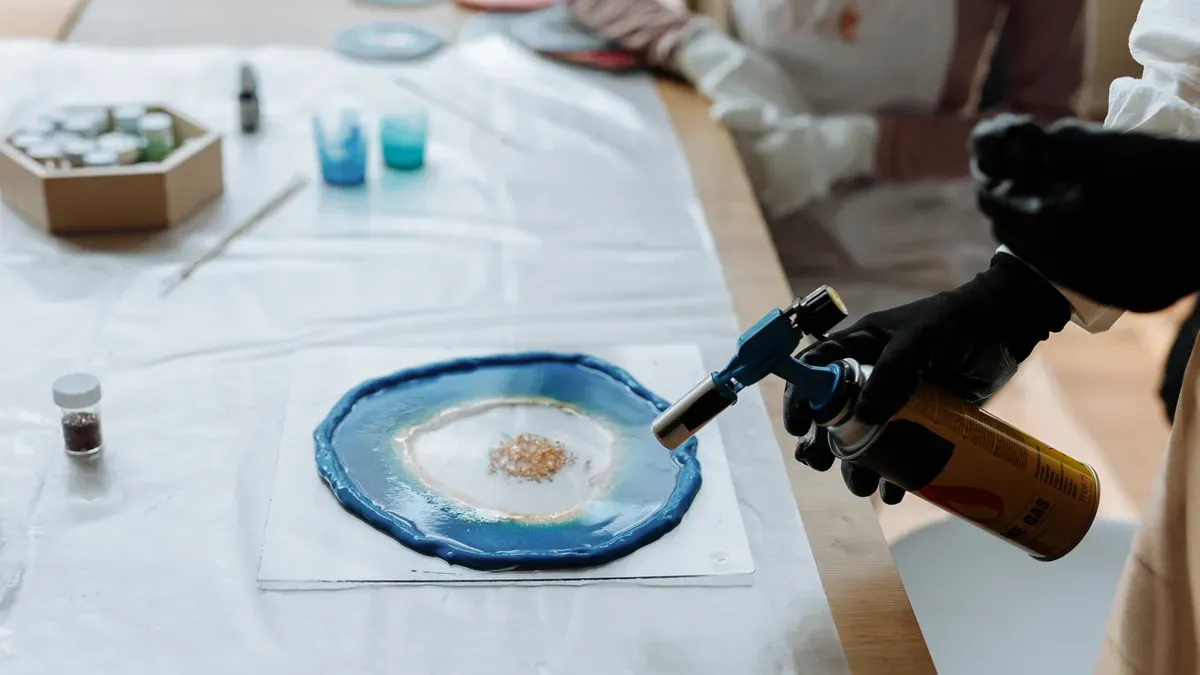
Marine resin plays a vital main role in modern boat building, waterproofing, and composite repair. You rely on these advanced liquid plastic mixes to seal wooden boat hulls, glue heavy support walls, and rebuild damaged fiberglass parts smoothly.
Specific Marine Task | Ideal Material Matrix Choice |
|---|---|
FRP Hull Laminating | Unsaturated Polyester System |
Structural Transom Rebuilds | High-Strength Epoxy System |
Osmotic Blister Repairs | Anti-Corrosive Vinyl Ester |
Gelcoat Surface Fixes | Unsaturated Polyester System |
Choosing the correct material option among different types of resin guarantees the best results during tough boat repair projects. Changzhou Polymer Composite Materials Co., Ltd. provides reliable resin options made specifically for your hard marine jobs.
Key Takeaways
Epoxy resin makes a waterproof shield and sticks boat parts together strongly.
Polyester resin offers an inexpensive option for building basic fiberglass boats.
Vinyl ester resin prevents water blisters and stands up to strong chemical liquids.
Fresh water rinses off sticky amine blush from dried epoxy surfaces.
Thixotropic resin formulas stop liquid drips on vertical boat molds.
Heating vinyl ester resins after they cure gives them the most strength and heat resistance.
Keeping liquid resin in a cool place below 77°F helps it stay fresh for later repairs.
What is Resin and Marine Resin Chemistry
Man-made plastic materials create the strong base of modern boat building. You can learn what is resin by studying liquid chemical mixes that harden into solid plastic parts. Many workers wonder what is resin made of before starting their building jobs. Factory makers craft these base materials by joining small chemical pieces into tough plastic chains. Learning how is resin made helps you select the correct products for fixing boats. Changzhou Polymer Composite Materials Co., Ltd. (珀勒玛) manufactures high-performance Unsaturated Polyester Resin, Epoxy, and Vinyl Ester Resin options for marine applications.
Structural Feature | Polyester Resin | Vinyl Ester Resin | Epoxy Resin |
|---|---|---|---|
Reactive double bond location | In backbone | At ends of molecule | Absent (epoxide groups) |
Ester linkages | Present in backbone | Present only at ends, fewer | Absent in backbone portion |
Phenyl ether linkages | Absent | Present (from epoxy backbone) | Present |
Aromatic rings | Optionally present | Present (e.g., bisphenol A) | Present (e.g., bisphenol A) |
Derivation | Polyols + dibasic acids | Epoxy resin + acrylic/methacrylic acid | Epichlorohydrin + bisphenol A |
Epoxy Resin for Structural Marine Repair
Superior Adhesive Bond and Moisture Protection
Epoxy plastics build a tight liquid barrier across boat surfaces. You get powerful sticking strength when attaching wood, core foam, and metal plates to hulls. This sealed material grid stops deep water soak very well.
One of the most significant benefits of marine epoxy for boat repair is its ability to resist water damage. This is particularly important in the marine industry, as boats encounter moisture, humidity, and saltwater on a daily basis. Marine epoxy creates a waterproof barrier, preventing further damage in the future.
Secondary Bonding Strengths for Boat Hull Restoration
Boat fixing jobs need very strong joint connections to stay safe. Epoxy mixtures offer top mechanical grip to older fiberglass boat frames. This tough plastic glue hardens with small size changes, so your fixed seams handle hard pounding waves. A good protective coat grants you 10-15 years of solid use with very little upkeep.
Unsaturated Polyester Resin for General Laminating
Orthophthalic vs Isophthalic Formulations
You will discover several types of resins in basic boat construction. Orthophthalic blends provide a cheap path for simple FRP molding work. Isophthalic choices deliver better liquid block protection and higher physical strength. These varied types of resin help you pair product prices with project strength needs.
Wet-out Capabilities for Fiberglass Matting
Polyester liquids soak fast right into dry fiberglass strands. This quick liquid soak speeds up large boat frame construction. You get smooth layer thickness across big shaping molds.
Vinyl Ester Resin for Corrosion and Blister Prevention
Osmotic Blister Resistance and Toughness
Vinyl ester brings extra flex strength and great water bubble defense. You can paint this protective layer right under the outer gelcoat skin.
Resin | Acid Resistance | Alkali Resistance | Marine-Relevant Application |
|---|---|---|---|
Vinyl Ester | Excellent – withstands strong acids | Excellent – withstands strong alkalis | Used in FRP tanks for chemical storage; also applicable in marine environments requiring chemical resistance |
Polyester | Poor – not recommended for strong acids | Poor – not recommended for strong alkalis | Not recommended when aggressive chemicals are present; typically used for milder environments |
High Thermal Deflection and Cross-linking Density
Vinyl ester blends strong chemical defense with great heat endurance. Changzhou Polymer Composite Materials Co., Ltd. designs Epoxy & Vinyl Ester Resin options with a Heat Deflection Temperature (HDT) exceeding 105°C.
Laminates made with Vinyl Ester exhibit excellent mechanical properties and a high heat deflection temperature. This resin has a HDT (Heat Distortion Temperature) of 235°F.
Tightly locked chemical chains give this marine resin lasting power under rough ocean trips. Reviewing these types of resins makes sure you pick the best resin for your boat task.
Main Uses for Resins in Boat Building
Boat builders pick specific resins for different building and repair tasks. Learning the main uses for resins helps you choose the right product for every boat section.
Resin | Common Marine Applications in Boat Building |
|---|---|
Epoxy | Waterproofing and sealing (cracks, joints, seams); bonding and adhesion (fiberglass, wood, metal); repair and restoration (hull, deck, delamination); coatings and finishes (corrosion/UV protection) |
Polyester | General boat construction where affordability is prioritized; considered a go-to material for commodity boat building |
Vinyl Ester | Boat construction where durability and long-term performance are crucial; chemical and corrosion resistance suitable for pipelines, chemical storage tanks, and other marine environments with chemical exposure |
Hull Fabrication and Blister Remediation
Osmotic Damage Grinding and Moisture Extraction
Water blisters ruin fiberglass boat bottoms over time. You should follow a clear step-by-step method to repair damaged layers correctly:
Pop the blister using a sharp tool to drain trapped fluid, but always wear safe eye goggles.
Sand the open spot into a shallow dish shape using a coarse 36-grit grinding disk. Make sure the sanded dish is twenty times wider than its overall depth to clear weak parts.
Knock around the blister using a plastic hammer to find hidden layer separation. If you hear a dull thud, widen your sanding area until you reach solid material.
Wash out the open hole with fresh water. Then scrub it clean using hot water mixed with TSP cleaner.
Rinse the area well and let it dry for two days or longer to remove all trapped moisture.
Barrier Layer Coating with Marine Resin
You must seal the dry bottom surface once you finish all your shaping work. Painting on a liquid marine resin coat blocks extra water from soaking deep into hidden fiberglass layers.
You roll several thin protective layers over the entire boat bottom. This solid shell creates a strong barrier that shields your new patches from future ocean damage.
Thixotropic Polyester Systems for Vertical Lay-up
Anti-Sagging Performance on Vertical Molds
Upright boat molds create big problems for basic liquid resins. Plain liquid runs down steep walls fast and leaves bare spots along upper edge layers.
Changzhou Polymer Composite Materials Co., Ltd. produces Thixotropic Polyester Resin for Automotive & Marine (Model: PLM105). This special resin shows a thixotropic rating of 2.2. This thick formula stops liquid drips on upright boat molds while workers spray or lay down materials.
Seasonal Temperature Formulations for Consistent Gel Time
Shifting workshop weather alters resin drying times quite a bit. Hot summer weather makes the chemical mix harden too fast. Cold winter weather delays the overall drying process for hours.
PLM105 comes in three custom seasonal choices for boat makers:
PLM-105W for Winter applications
PLM-105M for Spring/Autumn applications
PLM-105S for Summer applications
These balanced options help you keep steady, reliable working times during any season of the year.
Core Bonding and Fairing Compounds
Thickened Pastes for Structural Transom Core Assembly
Thick wood or foam core boards require strong attachment to outer fiberglass walls. You stir heavy powder fillers into liquid resin to produce non-drip gluing pastes.
These heavy pastes fill large structural cracks completely. The tough plastic glue creates strong holding power across inside support layers.
Microballoon Blends for Lightweight Sandable Surfaces
Bumpy patch jobs demand smooth, clean finishing pastes. You mix tiny glass beads into liquid resin to create easy-to-sand fairing putty.
You wipe this soft filler over your fixed hull areas. This top layer sands down flat before you put on the final outer gelcoat layer.
Marine Resin Mixing and Lay-up Process
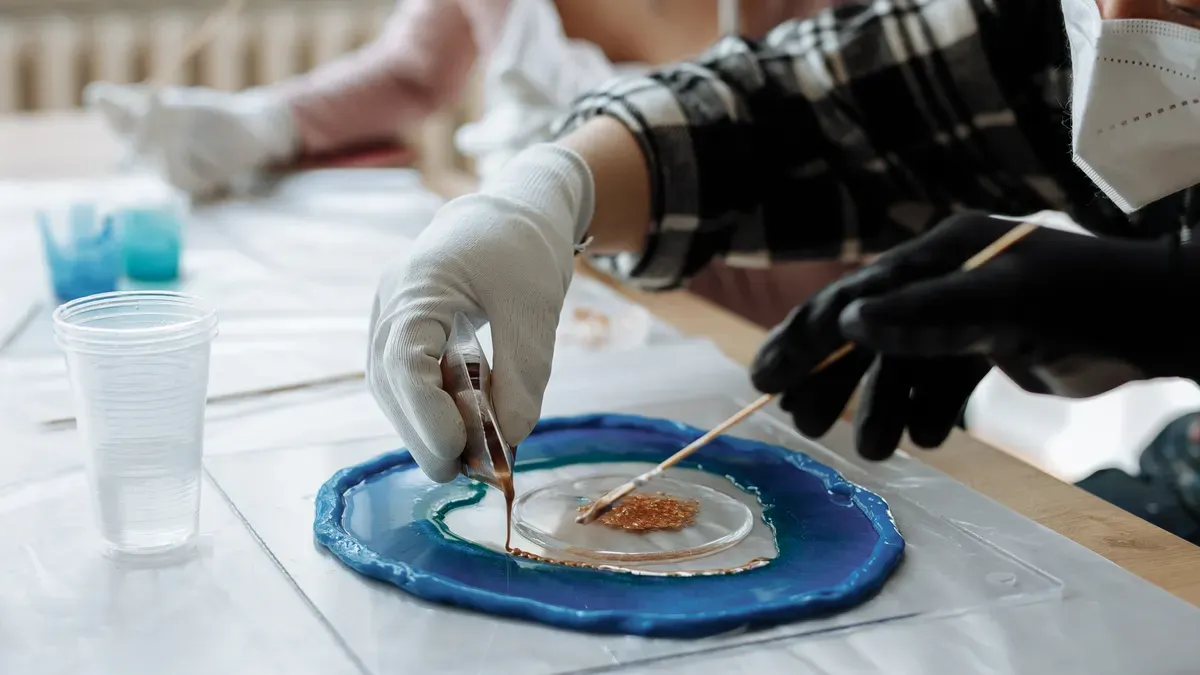
You must follow proper step-by-step physical rules when working with composite materials. Correct handling guarantees a strong structural repair on your boat hull.
Surface Preparation and Decontamination
Sanding Profiling and Dust Removal Standards
You sand the repair area to build physical grip before applying a liquid coating. Coarse sandpaper roughs up the surface profile. Clean away all loose dust particles using clean compressed air or vacuum tools.
Solvent Wiping and Amine Blush Elimination
Epoxy resin cures sometimes form a sticky surface film called amine blush. You must remove this film before any mechanical sanding.
Solvents like acetone or alcohol do not reliably remove amine blush because the film can smear. Wash the cured surface thoroughly with fresh water and a scrubbing pad before sanding to preserve secondary bonding strength.
Once cleaned, wipe the surface with a fast-evaporating solvent wipe before adding your next protective coating layer.
Catalysis, Ratios, and Curing Controls
Curing Agent and Cobalt Promoter Matching
Vinyl ester resin systems require correct promoter matching to cure properly. You must blend this resin with dedicated Cobalt Naphthenate promoters rather than standard unsaturated polyester resin promoters.
To achieve maximum chemical resistance and mechanical properties, you must post-cure vinyl ester parts using a structured thermal schedule:
Heat the laminate for 2 hours at 80°C.
Increase the heat to 100°C for an additional 2 hours.
This thermal cycle yields 100% cross-linking density and raises heat deflection properties.
Mandatory Post-Cure Thermal Cycles for Maximum Strength
Larger mix volumes generate excessive internal heat during the chemical reaction. You must manage resin batch sizes to maintain controlled gel times during lay-up schedules.
Mix Size (g) | Pot Life (min, 25°C) | Peak Temperature (°C) |
|---|---|---|
100 | 120 | 35 |
300 | 70 | 65 |
1000 | 35 | 98 |
Unexpected gel in pot? Remember exotherm rises fast with large mix sizes—halve your batch size if needed.
Managing batch volumes prevents thermal stress inside your marine resin lamination layer.
Fiberglass Wet-out and Air Removal
Squeegee and Bubble-Buster Roller Application
Pour the mixed resin directly onto your fiberglass fabric layers. You press a plastic squeegee across the fabric to spread the liquid resin evenly. Roll a grooved metal roller over the wet lay-up to force out trapped air bubbles. Thorough saturation prevents dry spots and enhances long-term laminate durability.
Peel Ply Stripping for Secondary Bonding Prep
Apply a textured peel ply sheet as your top coating barrier over the uncured resin layer. Smooth the sheet down flat to absorb extra liquid resin material. After curing, peel away this release fabric layer. The stripped fabric leaves a clean surface ideal for your next resin coating phase, sealing coating step, or secondary repair applications. This step ensures consistent mechanical bonding without additional sanding.
Resin Storage and Application Safety
Environmental Workshop Control
Ambient Temperature and Relative Humidity Thresholds
You must check your workshop climate before starting any boat repair project. Extra moisture and extreme heat ruin the chemical reaction of liquid resins. Keep your work area inside stable weather limits to protect final strength and prevent curing problems.
Damp air damages dry fiberglass sheets while you apply your liquid mix. High humidity stops the plastic chains from locking together inside your solid composite part. You get steady results by measuring your temperature and moisture levels every single day.
Moisture Sensitivity During Resin Cure Phase
Water inside your work space attacks uncured resin mixes very fast. Trapped moisture makes unwanted air bubbles inside liquid layers while they harden. This trapped water creates tiny weak pinholes inside your thick fiberglass layers.
Shield your wet work from sudden rain drops or cool morning dew. Extra water ruins the top protective coat on your boat hull surface. You must seal your work area to block moisture until your repair work hardens completely.
Safe Handling, Storage, and Shelf Life
Cool Storage Conditions Below 25°C
You must keep all liquid resin cans in cool, dark, well-ventilated storage areas under 25°C. High heat shortens product life and ruins chemical bonds fast. Correct storage keeps your materials ready to react during long project schedules.
Store your liquid stock away from direct sunlight and hot heaters. Unopened cans need steady room temperatures to work well over long periods:
Vinyl Ester Resin stays good to use for 3-6 months.
Unsaturated Polyester Resin stays stable for 6 months.
Personal Protective Equipment and VOC Ventilation
Chemical mixes release strong organic fumes like styrene gas while you stir and apply them. You need powerful exhaust fans to pull dangerous chemical fumes away from your face. Always run good air fans inside enclosed work rooms.
Wear full protective gear to shield your skin, eyes, and lungs from chemical contact:
Half-mask respirators to clean out dangerous organic fumes and styrene vapors.
Heavy nitrile gloves for safety against raw liquid resin contact.
Sealed safety goggles to block flying liquid chemical splashes.
Clean paper suit coveralls to stop direct skin contact with dust.
Good safety habits protect your personal health inside your boat shop. Wash your tools and wipe down counters right after finishing your job. You can paint protective resin coats onto boat hulls safely by following these simple rules.
Selecting a specific material depends on your project goals. Simple FRP jobs run cheaper using basic polyester resin systems. Strong epoxy glue grips tightly to restore damaged boat structures. Tough vinyl ester stops water damage and blocks harsh liquid chemicals. Providing custom boat resins to global builders, Changzhou Polymer Composite Materials Co., Ltd. supplies reliable material options. Their expert crew assists you in reaching peak repair strength out on ocean waters.
Getting great results takes careful step-by-step effort. Slapping liquid resin across oily or dirty parts ruins sticky joint strength. Eyeing chemical ratios or dumping in extra hardener causes weak, soft spots. Always follow exact ratio rules, scrape mixing bucket walls, and stir everything smoothly. Doing proper post-cure heating protects all your hard work.
FAQ
What is resin and how does it work in boat building?
Boats use strong liquids that turn hard to seal and guard surfaces. You can count on these plastics to join heavy parts and block ocean water.
What is resin made of and how is resin made?
Factories hook small chemical pieces together into long chains. Learning about this process helps you select the right plastic for your boat job.
What are the main applications of resins in marine construction?
You can pick these liquid plastics for many boat tasks. They help build fiberglass frames, mend water bubbles, and coat outer skins to stop ocean wear.
How do the chemical properties of vinyl ester benefit boat hulls?
This tough plastic handles hot sun and blocks damage from harsh chemicals. It stops water bubbles so your boat hull lasts a very long time.
Which types of resins should you choose for boat repairs?
Pick your product based on what your boat job needs. Simple polyester costs less, epoxy glues best, and vinyl ester blocks heavy water wear.
Why must you post-cure vinyl ester marine resin?
You have to warm up this cured plastic so it reaches full strength. Heating it for a few hours seals the chemical chains together completely.
How do PLM105 seasonal variants help boat builders?
Changing weather alters how fast liquid plastic dries up. Special PLM105 mixes for summer, winter, or spring keep your working times steady all year long.