





What are the main applications of unsaturated polyester resins?

Unsaturated polyester resin powers Fiber-Reinforced Plastics across construction, marine, automotive, electrical, and industrial sectors. These main applications showcase the high mechanical strength, chemical resistance, and cost-effectiveness of unsaturated polyester resin compared to epoxy or vinyl ester thermoset products.
The global unsaturated polyester resins market was valued at USD 8.50 billion in 2024.
Engineers process this composite matrix using hand lay-up, pultrusion, filament winding, resin infusion, and compression molding. Each factory application requires precise resin properties. Changzhou Polymer Composite Materials Co., Ltd. supplies tailored unsaturated polyester resin formulations and auxiliary materials. Premium unsaturated polyester resin delivers superior quality, while unsaturated polyester resin versatility ensures maximum output across industrial applications.
Key Takeaways
Isophthalic unsaturated polyester resins protect boat hulls from rough saltwater damage and stop inside water leaks.
Construction teams use tough unsaturated polyester resins to make long-lasting sewer pipes, bridge floors, and quartz kitchen counters.
Car makers press lightweight resin body panels to lower vehicle weight and improve overall gas mileage.
Power plants use strong resin layers to stop dangerous electrical sparks and safely hold harsh factory chemicals.
Marine Applications of Unsaturated Polyester Resin
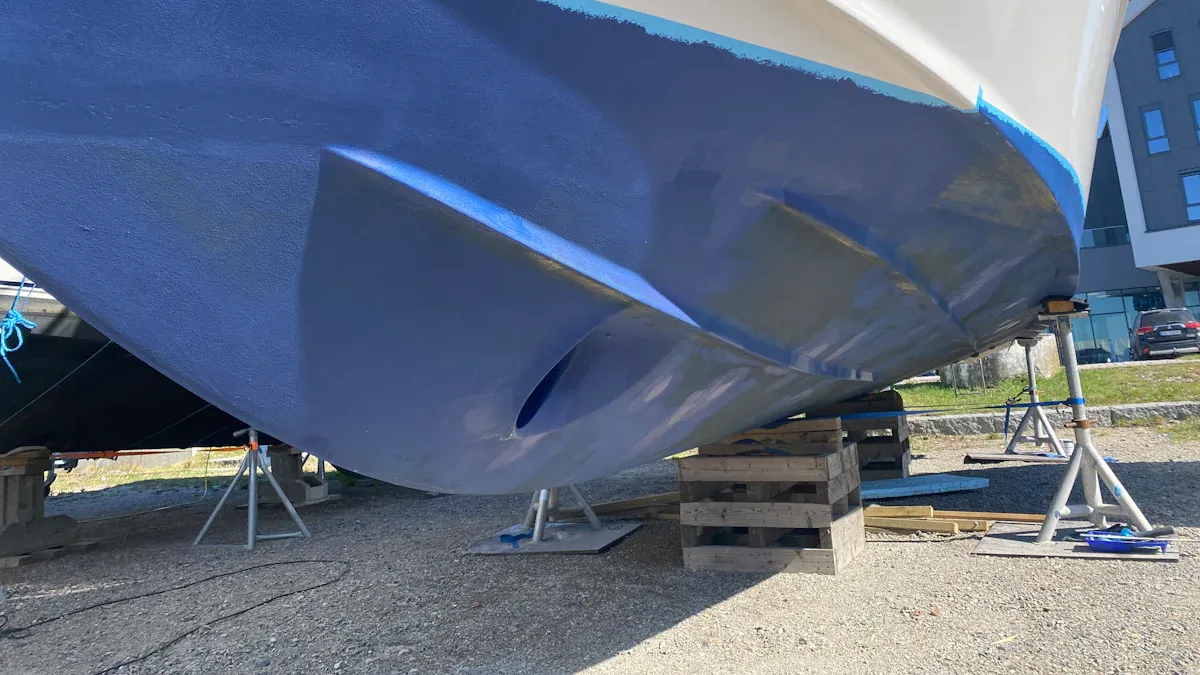
Ocean conditions require strong building materials. Special unsaturated polyester resin mixes shield boat parts from constant contact with salt, water, and rough weather.
Boat Hulls and Deck Structures
Shipbuilders use isophthalic unsaturated polyester resin to build strong boat hulls and deck areas. These isophthalic resin mixes offer great water protection and salt resistance during long swims. These features stop water leaks and prevent bubbles inside hull layers over many years of use.
Factory workers create marine composites using well-known building methods:
Workers put gel coats and low-styrene extra materials into open molds for tough outer layers.
Builders place glass fiber cloth layers down using hand placement or automatic spray tools.
Techs use vacuum tools to pull liquid resin through thick layers of glass fabric.
Market numbers show the huge use of this plastic material across North America:
Data Point | Value | Context |
|---|---|---|
Total Marine Resin Market (2026) | 180–220 kilotonnes | Yearly resin use throughout Northern America. |
Recreational Segment Share | ~55–65% | Biggest piece of the whole marine resin market size. |
Unsaturated Polyester Resin Share | ~50–55% | Portion of the marine resin market using this specific plastic in 2026. |
Calculated Annual Volume (Range) | ~49.5–79.9 kilotonnes | Estimated amount of unsaturated polyester resin used for pleasure boats. |
Marine Tanks and Water Management
Shipyard engineers choose unsaturated polyester resin for inside boat water systems. Clean water storage spaces and waste tanks need strong chemical protection. Modern resin options prevent fluid leaks and protect storage tanks from losing their structural strength.
The marine field values unsaturated polyester resin for storing liquids safely. Resin makers sell special liquid plastic types that dry fast and fight off harsh ocean chemicals. These flexible product uses guarantee long product life, cheap repair costs, and top results across key ship systems.
Construction and Infrastructure Applications
Civil engineers pick unsaturated polyester resin to make durable building items. The global construction industry uses a huge share of all made unsaturated polyester resin.
Sector | Share of Global Unsaturated Polyester Resin Consumption |
|---|---|
Building and Construction | 34.2% |
Unsaturated Polyester Resin in Infrastructure
Project leaders use unsaturated polyester resin for sewer pipes, bridge decks, and wall panels. This material offers great impact resistance against sudden heavy hits. Fast drying times speed up repairs and big builds. Also, chemical resistance shields buried pipes from tough soil wear.
Market facts show growing future demand across these big construction uses:
Data Point | Value | Supporting Context |
|---|---|---|
Projected CAGR for UPR Market (2025-2032) | 5.2% | Overall market growth driven by infrastructure pipes, tanks, and building panels. |
Safety rules require strict fire resistance for public building projects. Builders mix special flame-retardant items into unsaturated polyester resin to pass local safety codes:
ASTM E84 Fire Rating Class | Achievable by Modified Unsaturated Polyester Composites? | Context for Infrastructure Use |
|---|---|---|
Class A | No | Difficult requirement for modified UPR composites. |
Class B | Yes | Achievable with flame retardants for common structural uses. |
Class C | Yes | Achievable for general lower-tier infrastructure projects. |
Sanitaryware and Artificial Quartz Surfaces
Workers mix unsaturated polyester resin with crushed stone to create fake quartz and engineered stone slabs. High scratch resistance keeps countertop tops shiny during daily home use. The resin binds stone particles tightly, blocking water leaks and chemical stains in modern kitchens.
Polymer concrete uses need high crushing strength to hold up heavy structural weight:
Material Composition | Compressive Strength (MPa) | Notes |
|---|---|---|
PC with Recycled Brick Aggregate (RBA) | 103.04 | Highest compressive strength value reported. |
PC with RBA-12MF formulation | > 91.45 | Higher strength than RBA-11MF (79.87 MPa). |
PC with Recycled Lightweight Aggregate (RLA) | Significantly lower | Strength measured 68.77% lower than PC with RBA. |
Factories also pour unsaturated polyester resin into shaped molds to form tough bathroom tubs and shower bases.
Automotive and Transportation Applications

Car makers use liquid resin systems to craft strong auto parts. These base materials support many big factory projects because they drop overall vehicle weight and save money.
Automotive Body Panels and SMC Components
Auto brands use sheet molding compound mixtures made from unsaturated polyester resin to stamp big outer body panels. Workers combine liquid resin with glass fibers and fillers to make thin material sheets. Huge hydraulic presses shape these sheets into stiff car components using intense heat and pressure.
Sheet molding compound (a type of unsaturated polyester resin composite) drops vehicle weight by up to 75 percent when replacing heavy steel.
Lighter vehicle weight helps cars burn much less fuel while driving. The table below shows big weight savings across basic car assembly parts:
Component Type | Metal Mass (kg) | Composite Mass (kg) | Total Weight Savings (%) |
|---|---|---|---|
Tailgate Assembly | 14.5 | 9.2 | 36.5% |
Engine Valve Cover | 3.8 | 2.1 | 44.7% |
EV Battery Enclosure Tray | 45.0 | 28.5 | 36.6% |
Designers pick these light materials for car fenders, tailgates, and structural trays. These unsaturated polyester resin uses give smooth surface finishes and absorb rough road shakes without snapping.
Unsaturated Polyester Based Fire Resistance Composites
Transit groups need tough fire rules to protect riding passengers. Chemical makers craft unsaturated polyester based fire resistance composites to slow down burning flames and reduce thick smoke inside city buses.
Tough safety rules force car companies to use special resin types for interior covers and belt guards. Factories process unsaturated polyester based fire resistance composites with compression molds to build strong fire-rated parts. In North America, these safety laws raised market sales for fire-resistant resins to roughly US$677 million during 2024.
Transit leaders trust flame-retardant composite items inside public trains and buses. Special resin mix-ins shield structural covers from hot engine heat and electric sparks. These safe setups block spreading flames and lower overall danger across public transit systems.
Unsaturated Polyester Resin Based Electrical Laminates and Industrial Uses
Modern power networks rely heavily on unsaturated polyester resin based electrical laminates. High dielectric strength stops current leaks inside switchgear boxes, power hubs, and busbar supports. Plants produce unsaturated polyester resin based electrical laminates to insulate fragile power grid parts. Keeping internal moisture levels under 0.3% preserves dielectric strength over 20 kV/mm. Advanced modified sheets keep past 85% breakdown voltage following heat exposure. Yet, absorbing 2-3% water lowers dielectric strength past 20%.
Tough electric boxes come from special SMC and BMC compression molding mixes. Thick safety covers shield factory operators from dangerous high voltage wires and moving parts. Changzhou Polymer Composite Materials Co., Ltd. supplies top materials for these tough workplace uses. Strict quality control remains steady through the company's official ISO certifications. Expert technicians alter chemical recipes to fit exact build needs for every client.
Electrical Housings and Dielectric Components
Energy facilities mount unsaturated polyester resin based electrical laminates directly inside switchboard panels. These hard boards prevent huge voltage sparks while withstanding hard physical strikes.
Plants shape unsaturated polyester resin into rugged control units for outdoor power stations. Custom sheet molding compounds provide strong fire protection alongside physical stiffness. Power supply gear utilizes these items throughout varied utility systems.
Corrosion-Resistant Chemical Equipment
Manufacturing plants pick unsaturated polyester resin to store rough industrial liquids. Processing factories create giant storage tanks, ducts, and air scrubbers with this polymer. The chart below shows main market figures for liquid container uses:
Metric | Value | Context |
|---|---|---|
Total Market Size (2025) | $15.21 Billion | Overall unsaturated polyester resin market. |
'Tanks & Pipes' Application Share (2025) | 18.6% | Segment of the total market. |
Calculated Segment Value (2025) | ~$2.83 Billion | Derived from 18.6% of $15.21B. |
Segment CAGR (2025-2035) | 2.8% | Projected growth rate for the segment. |
Custom liquid plastic blends withstand damaging acids alongside strong bases. Soaking resin pieces in 10% Sodium Hydroxide at 60°C for 1,000 hours creates under 2% mass gain. Bathing cured parts in boiling water at 100°C for 500 hours keeps flexural strength over 85%. Plant managers choose these flexible options for tough chemical processing tasks.
Unsaturated polyester resin serves as the main ingredient for making large amounts of composite items. Flexible building options help this plastic keep costs down while working well across major industries. Different factory uses call for customized chemical mixes, spanning basic resins to fire-resistant types. Business studies show continuous sales gains around the world:
Source | 2020 Value | Projected 2030 Value | CAGR |
|---|---|---|---|
Business Wire | $11.0 billion | $20.0 billion | 6.3% |
Prophecy Market Insights | $8.655 billion | $14.450 billion | 5.3% |
These unique plastic blends strengthen structural parts inside boats, vehicles, and power equipment. Factory owners can contact Changzhou Polymer Composite Materials Co., Ltd. for custom resin options, product details, and manufacturing help.
FAQ
What are the main applications of these composite materials?
Fiber-reinforced plastics make up the biggest market area today. Companies use unsaturated polyester resin to craft boat hulls, sewer pipes, car body parts, and electric covers. Work crews also place these tough materials on outdoor roof sheets and fake stone counters.
Which processing methods work best with thermosetting resins?
Plants choose from ten main shaping methods based on how much they make. Popular ways include hand lay-up, spray-up, pultrusion, filament winding, and press molding. Liquid resin soaking and sheet shaping methods also make accurate building parts with little waste.
Why do marine builders prefer unsaturated polyester resin?
Isophthalic types stop water from soaking in very well. Boat bodies handle constant ocean water contact without forming surface bubbles or weakening overall strength. This plastic base builds long-lasting, light watercraft that cut repair bills for boat owners over many years.
Can these composite materials meet strict fire safety regulations?
Special fire-blocking recipes stop flames and reduce smoke inside public buses and trains. Chemical makers mix phosphorus ingredients straight into the liquid resin mix. These fire-proof materials earn top safety scores like EN 45545-2 and UL 94 V-0 for tough factory tools.