





Resin Pipes or Metal Pipes Which Is Better for Your Project
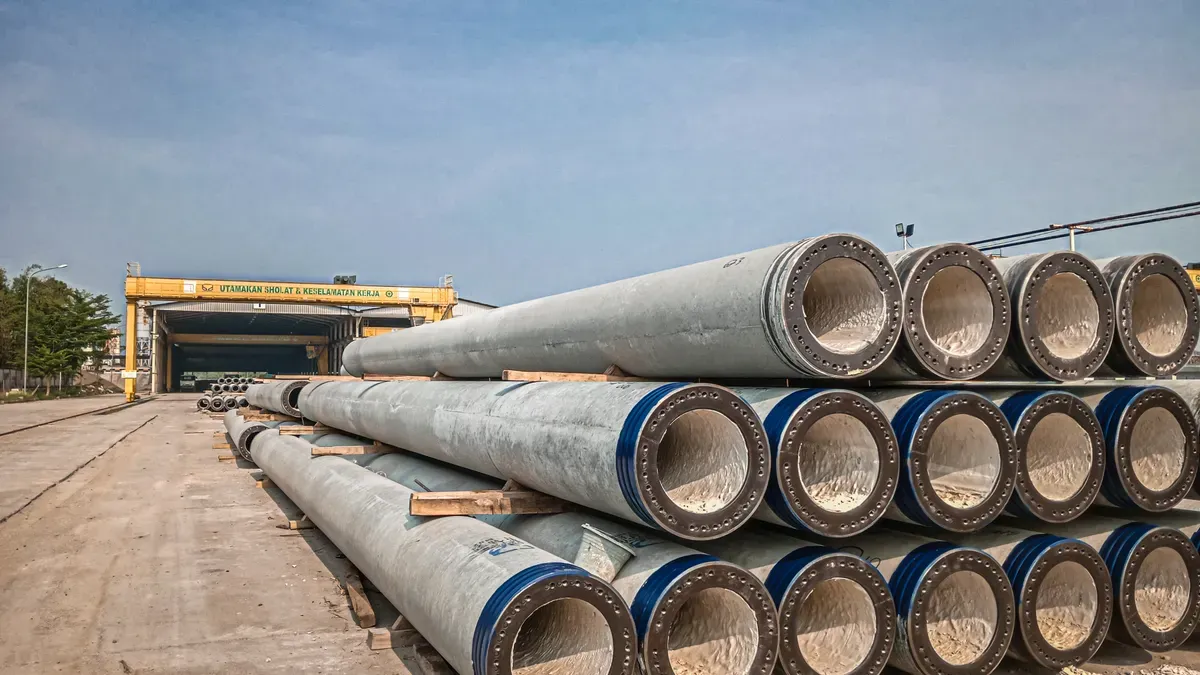
You want your project to turn out well, so you must pick the right plumbing pipe materials. Resin pipes are often the best choice for most water supply pipes. They resist corrosion, are light, and last a long time. This is true even in tough or chemical places. Metal pipes, like copper or steel, are good for very high heat or pressure. The pipe resin you pick affects how the pipe works. You can ask POLYMER for expert advice to help you choose. Look at the table below to quickly see how different pipe types compare:
Pipe Type | Application | Performance Characteristics |
|---|---|---|
Epoxy-based CIPP | Buildings, tight spaces | Strong, resists corrosion, easy to install |
Fiberglass-reinforced UV-CIPP | Municipal mains, large systems | Fits many access and flow needs |
Vinyl ester/epoxy resins | Chemical, high-temperature environments | Best for tough chemicals and heat |
Key Takeaways
Resin pipes do not get damaged by chemicals. They do not corrode easily. This makes them good for tough places. They last a long time.
Metal pipes are very strong. They can handle high heat and pressure. But they can rust. They need more care as time goes on.
Think about what your project needs. Look at the place and your budget. This helps you pick the best pipe material.
Resin pipes weigh less. They are easier to put in. This can help you save time and money when working.
You should always talk to experts like POLYMER. They can help you choose the best pipe for your project.
Quick Comparison of Different Pipe Materials
Types of Plumbing Pipes Overview
There are many kinds of plumbing pipes. People use them in houses, stores, and factories. Each kind has its own good points and uses. Here are some types you might see:
PVC pipe is good for water and drains in buildings.
PEX pipe bends easily and is simple to put in.
ABS pipe is light and used for waste and vents.
Copper pipe lasts long and is used for water.
CPVC pipe can handle hot water better than PVC.
Galvanized steel pipe is strong and used for gas.
When you look at pipe materials, think about where you need them. Some pipes are better for hot water. Others work best for chemicals or outside. Always pick the right pipe for your job.
What Are Resin Pipes?
Resin pipes are a type of composite pipe. Many industries use them because they are tough and resist chemicals. Resin pipes are made with resin and glass fibers. This mix gives them special features. Here is a table that shows what makes resin pipes different from other pipes:
Property | Description |
|---|---|
Density | 0.941-0.965 g/cm³ |
Melting Point | 120-130°C |
Tensile Strength | 26-33 MPa |
Chemical Resistance | Excellent resistance to acids, bases, alcohols, and many solvents |
Impact Resistance | Tough from -40°C to +80°C |
Moisture Barrier Properties | Near-zero water absorption (<0.01%) |
Corrosion Resistance | Immune to rust and rot |
Weldability | Easy to join with special welding methods |
Recyclability | High recycling rates |
Dimensional Stability | Low thermal expansion |
Cost-Effectiveness | Competitive pricing |
Long Service Life | 50-100 years in many uses |
Strength-to-Weight Ratio | High performance for its weight |
Abrasion Resistance | Stands up to wear and tear |
Resin pipes have many good points over other pipes. They last a long time and work well in hard places.
What Are Metal Pipes?
Metal pipes are another main kind of pipe. People use them in many jobs because they are strong. Here are some main types of metal pipes:
Copper pipe is used for water and lasts many years.
Galvanized steel pipe is used for gas and was used for drains.
Black iron pipe is strong and used for gas or fire systems.
Metal pipes can take high pressure and heat. They are good for hard jobs. When you look at pipe materials, you will see metal pipes have special uses.
Tip: When you pick pipe materials, think about the job, the place, and how long you want the pipes to last. This helps you choose the best pipes for your project.
Pipe Resin vs. Metal: Key Differences
Durability and Lifespan
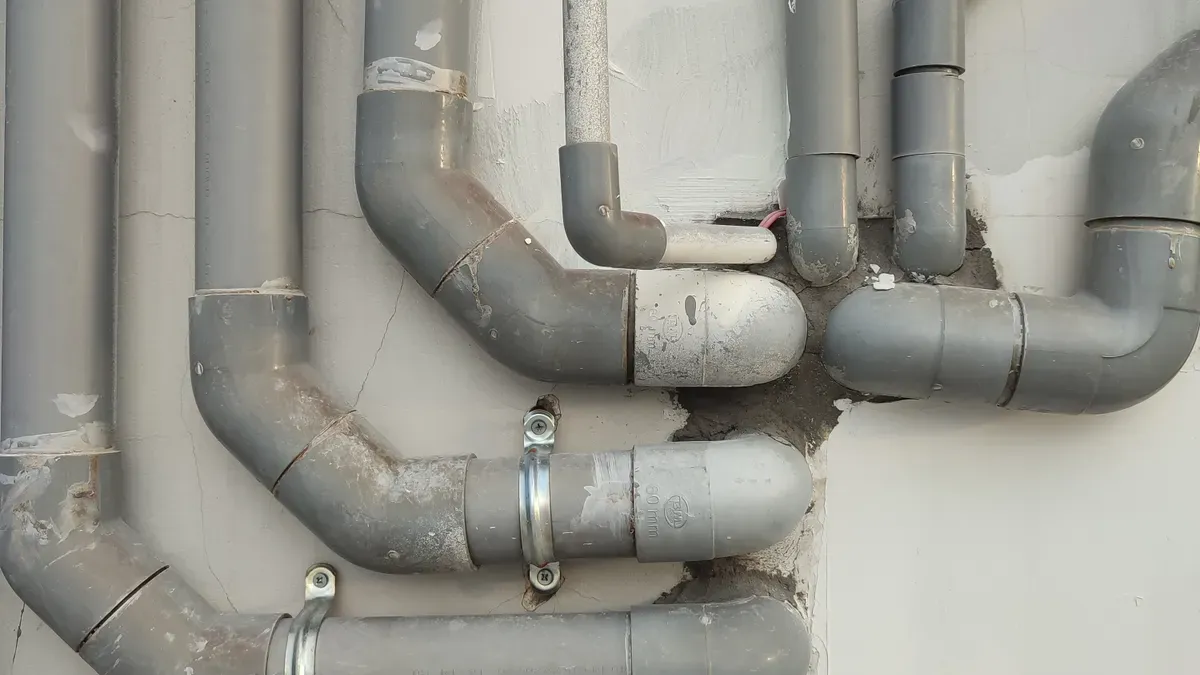
You want your pipes to last a long time. Durability matters for every project. Resin pipes stand out because they resist corrosion and chemical damage. Metal pipes, like steel and copper, can be strong, but they may rust or corrode over time. When you use pipe resin in your system, you get a material that does not break down easily, even in harsh environments.
Here is a table that shows how long different pipes can last:
Pipe Type | Average Lifespan (Years) |
|---|---|
Steel | 80 - 100 |
PVC | 70 - 100 |
HDPE | 50 - 100 |
Resin pipes often reach the upper end of this range, especially when you choose the right pipe resin for your needs. You can expect decades of reliable service with little worry about rust or leaks.
Cost and Value
You need to think about both the price you pay now and the money you save later. Metal pipes sometimes cost less at first, but they may need more repairs and protection. Resin pipes can cost more to buy, but they save you money over time. This happens because pipe resin gives the pipe a long life and keeps it safe from chemicals and water damage.
You do not need to spend extra on coatings or special treatments. The pipe resin itself protects the pipe. You also avoid the high cost of replacing pipes that fail early. When you look at the total value, resin pipes often give you the best return for your investment.
Installation and Handling
You want your project to move quickly and safely. Resin pipes are light, so you can move and install them with less effort. Metal pipes are heavy and may need machines to lift them. When you use pipe resin, you get a pipe that is easy to cut and join. This makes the work faster and safer for your team.
There are some challenges with resin pipes. The weather can affect how the pipe resin sets during installation. For example, high humidity or low temperatures can change how the resin flows. Large pipes may need special tools or more air to install. Skilled workers help make sure the job goes well.
Here is a table that shows some common installation challenges:
Challenge Type | Description |
|---|---|
Environmental Factors | Installation is affected by ambient air temperature and humidity, which influence epoxy viscosity. |
Complexity of Process | The blow-in process can be complicated by bends and fittings, requiring skilled technicians. |
Size of Pipe | Larger pipes require more air for installation, making them difficult to coat effectively. |
You can solve most of these problems with good planning and the right team.
Maintenance and Safety
You want your pipes to stay safe and clean. Resin pipes need very little care. The pipe resin keeps out rust, chemicals, and water. This means you do not have to check or fix them as often. Metal pipes, like galvanized steel or copper, can have problems. They may rust inside, leak, or let small bits of metal into the water.
Here is a table that shows some safety concerns with metal pipes:
Pipe Type | Safety Concern |
|---|---|
Galvanized Steel Pipes | Prone to internal corrosion, leaching rust or debris into the water supply. |
Copper Pipes | Can develop pinhole leaks due to corrosion, allowing copper to dissolve into water. |
Lead Solder/Fixtures | Traces of lead may still be present in older systems, posing a health risk. |
Cracks and Leaks | Small breaches can allow bacteria to enter the water supply, especially with pressure changes. |
You do not have these problems with resin pipes. The pipe resin forms a strong barrier that keeps water clean and safe. You can trust resin pipes for drinking water and other important uses.
Note: Always choose the right pipe resin for your project. The right choice gives you strong, safe, and long-lasting pipes.
Pros and Cons of Pipe Resin
Advantages of Resin Pipes
Resin pipes give you many good things for your project. They work well in hard places and last a long time. Here are some reasons to pick resin pipes:
These pipes are very strong. Epoxy-coated pipes can handle very high or low pH, from 2 to 12. They also work in heat up to 160°F. This lets you use them in many places.
You can save money over the years. Salt Lake City saved $2.3 million in five years. They used epoxy to line pipes instead of buying new ones.
Your water stays safe. Epoxy resin meets NSF/ANSI 61 rules for drinking water. No safety problems have happened in more than ten years.
You help the planet. Resin pipes use less energy to make than metal pipes. They are light, so you use less fuel to move and put them in. This lowers your carbon footprint.
You can recycle them. Many resin pipes are made to be used again in other jobs.
You do not need much maintenance. Resin pipes do not rust or corrode. You do not have to change them as often.
They are easy to put in. The pipes are light and easy to join. This makes your work faster and safer.
Tip: Pick resin pipes if you want pipes that last, keep water safe, and are good for the earth.
Limitations and Considerations
You should know about some problems with resin pipes too. The table below shows common issues that workers and builders have found:
Limitation | Description |
|---|---|
Delamination | The pipe and epoxy liner can come apart. This can cause leaks or rust. |
Improper Adhesion | If the resin does not stick well, you may need more repairs. The system could break more easily. |
Health and Safety Concerns | Putting in the pipes can be risky for workers and users if not done right. |
Increased Maintenance Issues | Problems like delamination can mean more repairs and higher costs later. |
You can stop many of these problems by using skilled workers and doing each step the right way. Always check your pipes and use good materials for the best results.
Pros and Cons of Metal and Other Pipe Materials
Metal Pipes: Strengths and Weaknesses
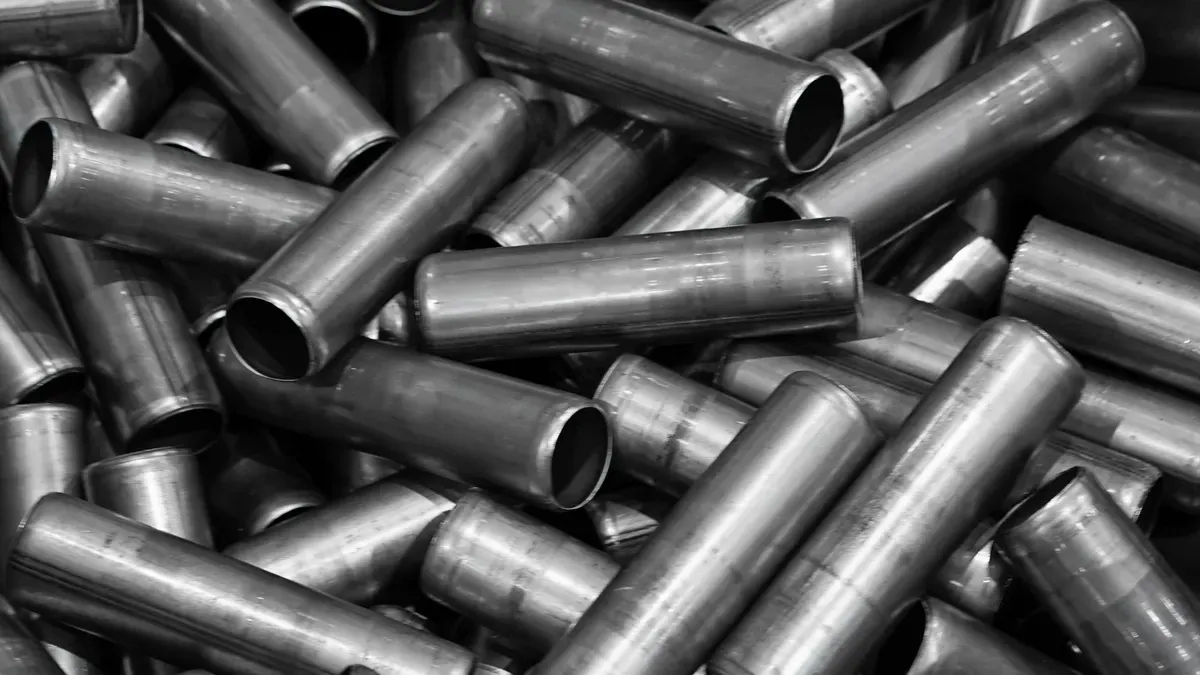
Metal pipes are used for tough jobs. They work well in places with high heat and pressure. Stainless steel pipes do not rust easily. They last in salty or dirty areas. Seamless pipes can handle lots of pressure and heat. They do not bend or break. Metal pipes move hot liquids safely. This keeps your system strong. Stainless steel has chromium. Chromium makes a layer that stops rust.
Metal pipes also have problems. They can rust if used with some chemicals. Wet places can make them corrode. Cast iron pipes can crack from rust. This causes leaks and costs money to fix. Carbon steel pipes need checks often. You must pay for maintenance. Think about these good and bad points before you pick metal pipes.
Note: Metal pipes are good for hard jobs. But you need to plan for repairs and rust.
Other Pipe Materials: PVC, Copper, Concrete
You have other pipe choices too. PVC, copper, and concrete pipes are used in many jobs. The table below shows how they compare:
Material | Cost | Durability | Application Suitability |
|---|---|---|---|
Copper | Higher than plastic | Highly durable | Preferred for potable water |
PVC | Lower | Moderate | Used for cold water and drainage |
CPVC | Moderate | Good | Suitable for hot and cold water |
PEX | Lower | High | Flexible for both hot and cold water |
PVC pipes cost less than metal pipes. They are easy to put in. PEX pipes save time and money when you install them. Plastic pipes do not freeze or rust. They are some of the best pipe materials for plumbing. These pipes do not crack or rust. They are light, so you pay less to move them.
There are some problems to watch for. Copper pipes can get small holes from rust. PVC pipes can bend if they get too hot. Concrete pipes need checks to stay strong. Always match the pipe to your project needs.
Tip: Check the job and place before picking pipes. This helps you get pipes that last a long time.
Choosing the Right Pipe Resin for Your Project
Application Scenarios
You face many choices when you pick pipes for your project. Each job has its own needs. You want to match the pipe to the place and the work it must do. Here are some common scenarios where you might use different types of pipes:
You work on a chemical plant. You need pipes that resist strong acids and bases. Resin pipes work well here. They last more than 50 years, even in tough spots.
You build a water supply system for a city. You want pipes that do not rust or leak. You can use pex pipes or polyvinyl chloride pipes for cold water lines. For hot water or underground lines, pex pipes give you flexibility and strength.
You design a heating system for a school. You need pipes that handle hot water and do not lose heat. Pex pipes have low thermal conductivity. This saves energy and keeps water hot.
You repair old metal pipes in a hospital. You want to avoid rust and keep water clean. Resin pipes and pex pipes both help you reach this goal.
You install pipes in a place with freezing winters. Pex pipes bend without breaking. They do not crack like metal or polyvinyl chloride pipes when water freezes.
You see that each project needs a different solution. You must look at the fluids, the temperature, and the pressure. You also need to think about the size and shape of the pipes. Pex pipes work well in many places because they are light, strong, and easy to install. Polyvinyl chloride pipes are good for drains and cold water. Resin pipes are best for harsh chemicals and long life.
Tip: Always match the pipe to the job. This helps you avoid problems and saves money in the long run.
Factors to Consider
You want to make the best choice for your project. You need to look at many factors before you pick a pipe resin or another material. Here are the main things you should think about:
Environment: Check if the area has high heat, cold, or chemicals. High temperatures need pipes that do not melt or warp. Metal pipes work well for very hot liquids. Resin pipes and pex pipes resist corrosion from chemicals, damp soil, and UV rays.
Durability: You want pipes that last. Fiberglass pipes can last over 50 years. Pex pipes also last a long time and do not rust. Polyvinyl chloride pipes work well for drains but may not last as long in hot water.
Strength: Look at the pressure and force the pipes must handle. High-quality fiberglass pipes have tensile strengths from 40,000 to 100,000 psi. Pex pipes have a good weight-to-strength ratio. They are 25% lighter than steel, so you can move and install them easily.
Cost: Think about both the price now and the cost over time. Pex pipes and resin pipes may cost more at first, but you save money on repairs and energy. Polyvinyl chloride pipes are cheaper but may need more care in the future.
Installation: You want pipes that are easy to put in. Pex pipes bend around corners and fit in tight spaces. Resin pipes are light and easy to join. Polyvinyl chloride pipes are simple to cut and glue.
Safety: You need safe water for drinking and washing. Resin pipes and pex pipes do not leach harmful chemicals. Metal pipes can rust and add metals to the water.
Custom Needs: Some jobs need special pipe resin. You can ask experts at POLYMER for help. They can make a custom resin for your project. This gives you the best fit for your needs.
Here is a table to help you compare your options:
Factor | Resin Pipes | Pex Pipes | Polyvinyl Chloride Pipes | Metal Pipes |
|---|---|---|---|---|
Corrosion Resistance | Excellent | Excellent | Good | Varies |
Flexibility | Moderate | High | Low | Low |
Lifespan | 50+ years | 40-50 years | 30-50 years | 20-100 years |
Installation Ease | Easy | Very Easy | Easy | Hard |
Cost | Moderate | Moderate | Low | High |
Chemical Resistance | High | High | Moderate | Varies |
Temperature Range | Up to 100°C | Up to 95°C | Up to 60°C | Very High |
You can see that pex pipes give you many benefits. They are easy to use, last a long time, and work in many places. Resin pipes are best for harsh chemicals and long life. Polyvinyl chloride pipes are good for drains and cold water. Metal pipes are strong but may need more care.
Note: You should talk to experts at POLYMER before you choose. They can help you pick the right pipe resin or make a custom blend for your project.
You can use this simple framework to decide:
Pick resin pipes for chemical plants, water treatment, or places with harsh chemicals.
Choose pex pipes for homes, schools, and places with hot or cold water.
Use polyvinyl chloride pipes for drains and cold water lines.
Select metal pipes for very high heat or pressure.
You make the best choice when you match the pipe to your project needs, your budget, and the environment. You get safe, strong, and long-lasting pipes when you plan ahead.
Comparison Table: Different Pipe Materials
You want to pick the best pipe for your project. It helps to see how each pipe type is different. The table below shows the main features of each pipe. You can use it to find which pipe fits your needs.
Feature | Resin Pipes | Metal Pipes | PVC Pipes | Copper Pipes | Concrete Pipes |
|---|---|---|---|---|---|
Corrosion Resistance | Excellent | Varies | Good | Good | Poor |
Weight | Light | Heavy | Light | Medium | Very Heavy |
Lifespan | 50+ years | 20-100 years | 30-50 years | 40-70 years | 30-50 years |
Installation Ease | Easy | Hard | Easy | Moderate | Hard |
Maintenance | Low | High | Low | Moderate | High |
Cost | Moderate | High | Low | High | Moderate |
Pressure Handling | High | Very High | Moderate | High | Moderate |
Temperature Range | Up to 100°C | Very High | Up to 60°C | Up to 90°C | Moderate |
Application Suitability | Industrial, Chemical, Water | High Temp, High Pressure | Plumbing, Drainage | Potable Water, Heating | Large Drainage, Sewer |
Tip: This table helps you compare pipes. You can see which pipes last longer. You can check which pipes are easy to put in. You can also see which pipes need less care.
Think about these things when you pick a pipe:
Pipes that do not rust last longer in tough places.
Light pipes are easier and safer to install.
Pipes that need little care save you time and money.
Pipes that handle high pressure are good for factories.
Always choose pipes that fit your project. Some pipes work well in one place but not in another. Pipes for drinking water must be safe and clean. Pipes for chemicals need to resist damage. Pipes for drains should be strong and last many years.
If you are not sure, ask an expert for help. They can help you choose the right pipe for your job. Pipes are important for every project. Good pipes help your system work well for a long time.
You want your plumbing project to turn out great. Resin pipes last a long time and do not need much care. They also stand up well to chemicals. Metal pipes are good if you need to handle high heat or pressure. The table below can help you pick the right pipe:
Factor | What to Check For Your Project |
|---|---|
System Pressure | Strong pipes are needed for high pressure |
Corrosion Environment | Pipes must resist corrosion from chemicals |
Installation | Lighter pipes make installation easier |
Budget | Think about cost now and in the future |
Experts like POLYMER can help you check costs, risks, and how long pipes will last.
You get the best results when you choose pipes that fit your needs.
Tip: Always talk to an expert before picking plumbing materials.
FAQ
What is the main benefit of using resin pipes?
You get excellent corrosion resistance with resin pipes. They do not rust or rot. This makes them a smart choice for chemical plants, water treatment, and places with harsh environments.
Can you use resin pipes for drinking water?
Yes, you can use resin pipes for drinking water. Many resin pipes meet safety standards for potable water. They do not leach harmful chemicals, so your water stays clean and safe.
How long do resin pipes last compared to metal pipes?
Resin pipes often last over 50 years. Metal pipes can last 20 to 100 years, but they may need more repairs. Resin pipes need less maintenance and resist damage from chemicals and water.
Are resin pipes easy to install?
You will find resin pipes light and easy to handle. You can cut and join them quickly. This makes installation faster and safer than with heavy metal pipes.
When should you choose metal pipes instead of resin pipes?
Choose metal pipes if you need to handle very high heat or pressure. Metal pipes work best in boiler rooms, steam lines, or places with extreme temperatures.