

Premium Epoxy & Vinyl Ester Resin Manufacturer
R&D and production of high-performance vinyl ester resins—specialized raw materials for anti-corrosion, FRP, and flooring applications. Advantages of our epoxy vinyl ester resins:
· Resistant to strong acids, strong alkalis, hypochlorites, and solvent corrosion
· Long-term high-temperature resistance with excellent thermal stability
· Low shrinkage; finished products are crack-resistant and maintain high dimensional accuracy
· High toughness and impact resistance; excellent impermeability and leak resistance
·Multiple grades available, including food-grade, flame-retardant, and weather-resistant options
· Suitable for FRP storage tanks, wastewater basins, desulfurization towers, and anti-corrosion flooring
· Automated synthesis production lines ensure consistent batch performance; ready stock available for rapid delivery

Select Resin by Your Molding Process
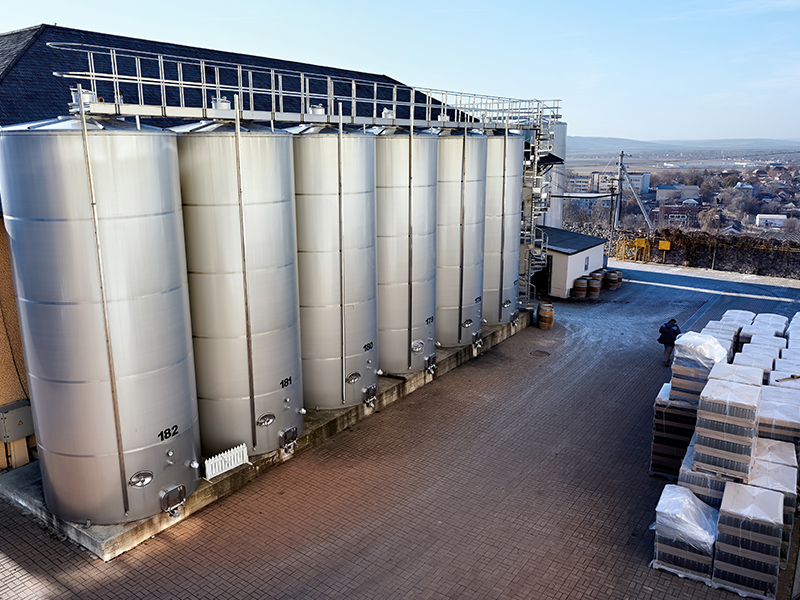
Chemical Storage Tanks
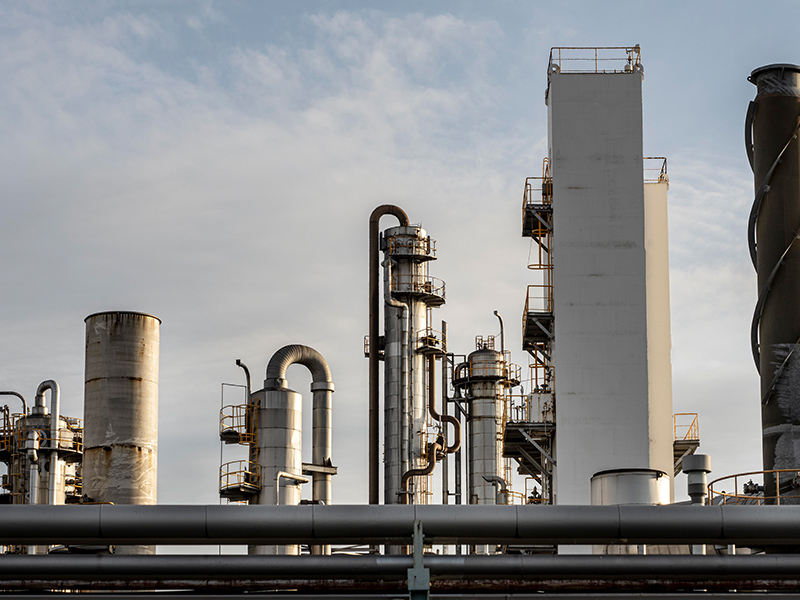
Scrubber & Desulfurization Towers
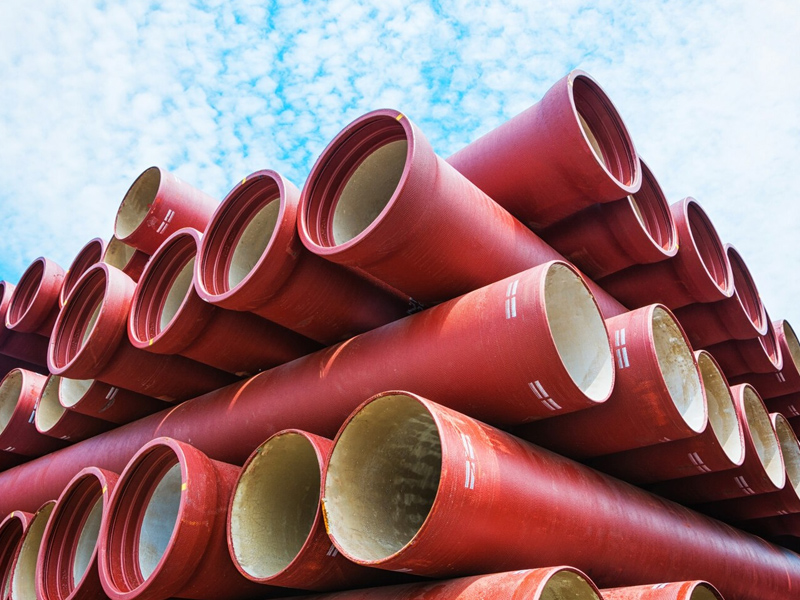
Corrosion-resistant Pipes
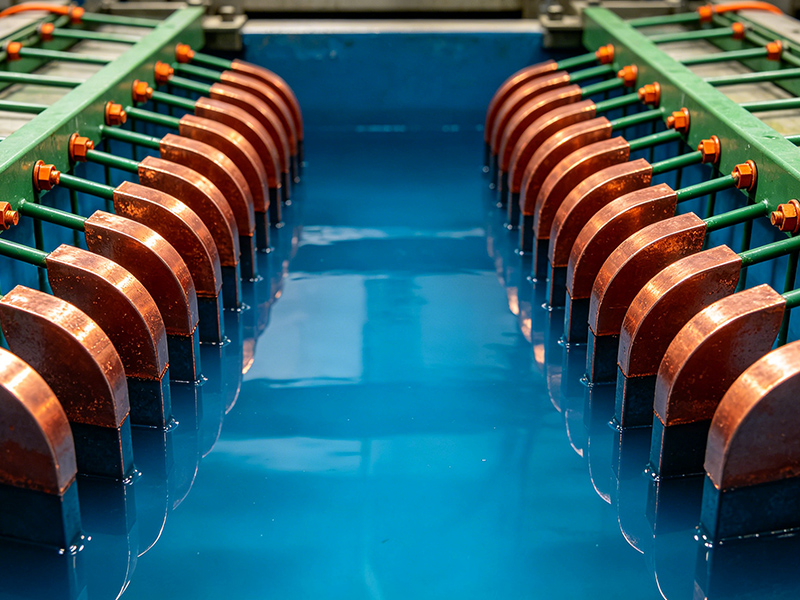
Electrolytic Cells


 Need specific resistance to 50% Sulfuric Acid or Wet Chlorine? Our engineering team tests and customizes the polymer backbone for your exact chemical medium.
 Every batch of POLYMER VER undergoes rigorous HDT and dielectric testing. Backed by real COA reports.
Streamlined Global Sourcing Process
Tell Us Your Specs
Formula Match & Adjust
Fast Sampling
Mass Production
Global Delivery
Anti-Corrosion Technical FAQs
Why must Vinyl Ester Resin be post-cured?
To achieve its maximum chemical resistance and HDT (Heat Deflection Temperature), VER requires a post-cure process (e.g., 2 hours at 80°C then 2 hours at 100°C) to ensure 100% cross-linking density.
Can I use standard UPR promoters for Vinyl Ester?
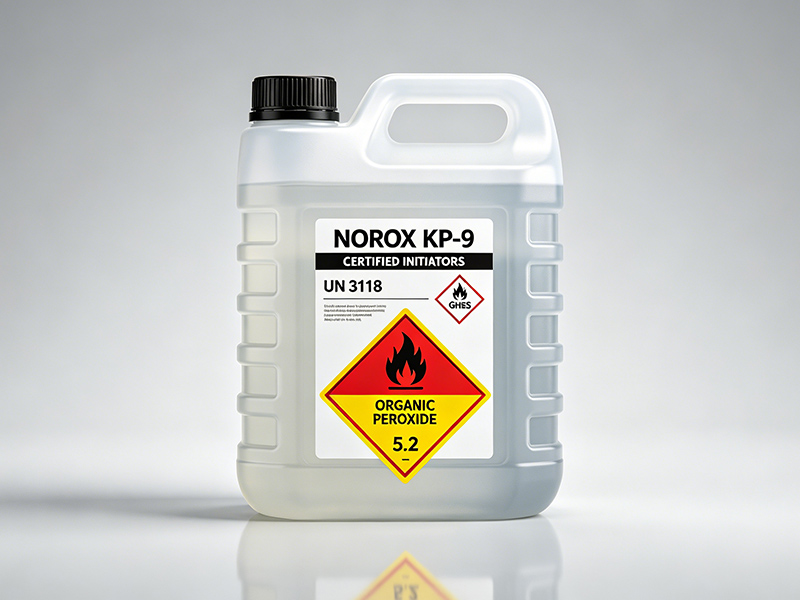
No. VER requires specific Cobalt Naphthenate promoters and sometimes added DMA (Dimethylaniline) to ensure proper curing. POLEMA provides the complete matching curing system.
What is the shelf life of VER?
Due to its high reactivity, VER typically has a shorter shelf life than UPR (usually 3-6 months). It MUST be stored in a dark, cool place below 25°C.