





Epoxy vs Polyester Resin for Surfboards: Which is Better?
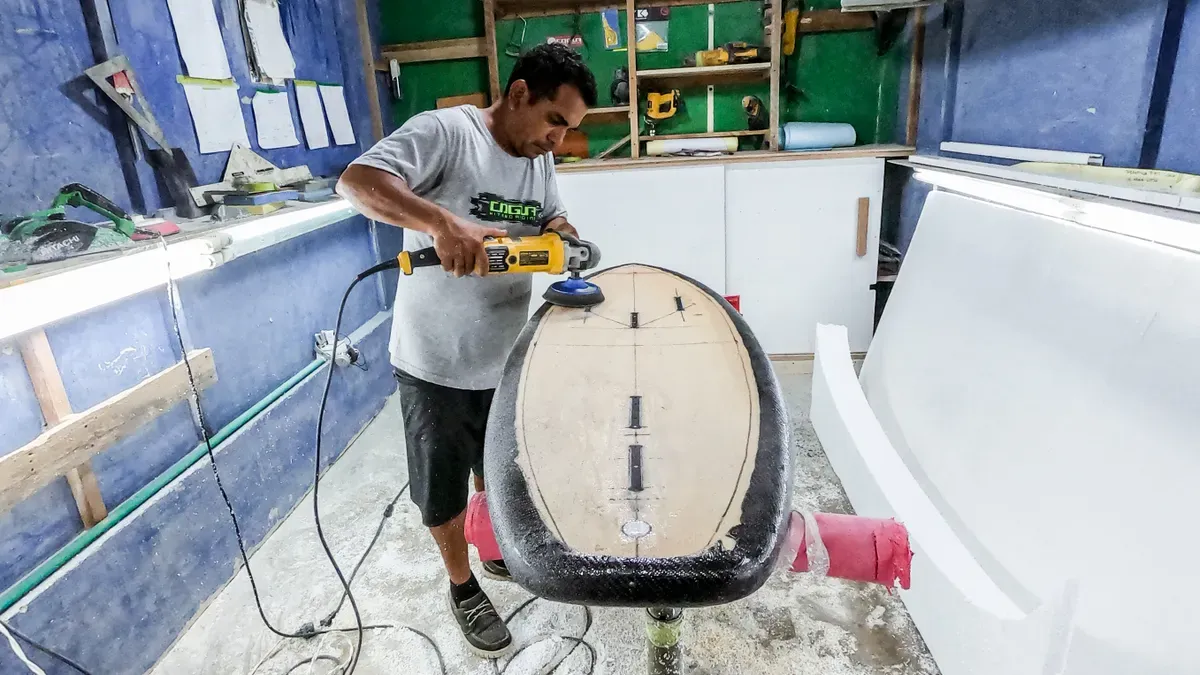
Choosing the right resin for your surfboard depends on what matters most to you: performance, durability, budget, or environmental impact. Two main types lead the industry: epoxy resin and polyester resin. Are you a beginner who needs a board that can handle some rough use? Or an advanced surfer looking for the lightest, most responsive ride? This article compares polyester vs epoxy across construction, performance, durability, cost, and environmental impact. You'll learn how epoxy surfboards differ from traditional boards. We'll also look at what makes a quality fiberglass resin for surfboards. By the end, you'll be able to make a smart choice. Whether you like the classic feel or the modern benefits of an epoxy surfboard, this guide helps you decide.
Key Takeaways
Epoxy resin makes surfboards lighter and stronger than polyester resin.
Epoxy boards resist dings and water damage better, so they last longer.
Polyester boards are cheaper to buy at first, but they need more fixes as time goes on.
Epoxy resin gives off fewer toxic fumes when it's made, so it's safer for the environment.
Pick epoxy if you want a board that lasts and performs well. Pick polyester if you want a classic feel and a lower starting price.
Polyester vs Epoxy: Core Construction Differences
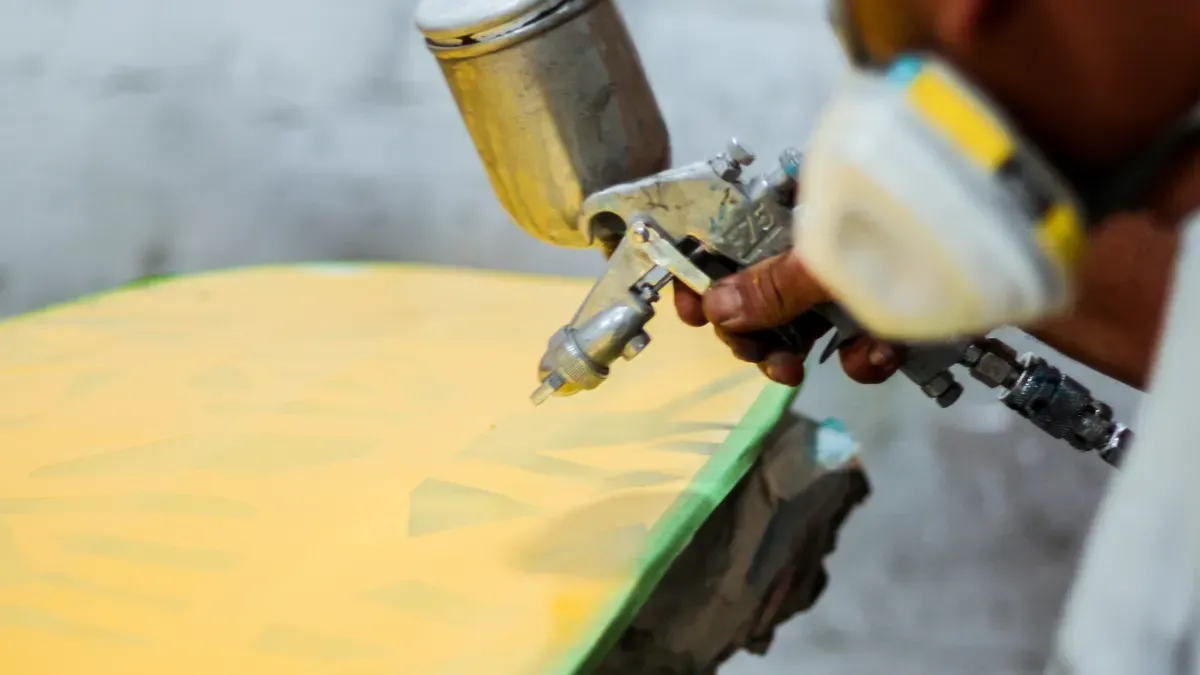
Understanding how each resin works starts with its chemistry. These materials form the backbone of every board you ride. The key differences between fiberglass and epoxy surfboards begin at the molecular level.
Polyester Resin: The Traditional Standard
Polyester resin has shaped surfboard manufacturing for decades. This petroleum-derived material works with polyurethane (PU) foam blanks. The resin contains unsaturated polymer chains dissolved in styrene. Styrene acts as both a solvent and a cross-linking agent. When you add a peroxide catalyst, free radical polymerization begins. The curing process happens quickly and generates significant heat. However, styrene evaporates during curing. This evaporation causes shrinkage and releases volatile organic compounds into the air.
Polyester resin wets out fiberglass quickly and cures reliably. You can sand and polish it to a mirror finish with relative ease. The material produces a water-clear finish with good UV resistance. Yet polyester has notable drawbacks. It tends to be brittle and prone to cracking under stress. High temperatures can degrade its performance. The strong odor and potential carcinogenicity demand proper safety equipment. Many surfers still choose a polyester surfboard for its classic feel and lower cost. The traditional combination of PU foam and polyester resin remains popular worldwide.
Epoxy Resin: The Modern Alternative
Epoxy resin represents a more advanced approach to board construction. This synthetic material contains epoxide groups that react with amine or anhydride hardeners. The reaction forms a tightly cross-linked network. Unlike polyester, epoxy releases no volatile solvents during curing. This characteristic results in lower shrinkage and stronger bonds. Epoxy resin is approximately 33% stronger than polyester. It also has a higher elongation at break, meaning it flexes more before failure. This flexibility translates to fewer dings and cracks under foot pressure.
Epoxy resin pairs perfectly with EPS (expanded polystyrene) foam. Polyester resin cannot work with EPS foam because styrene melts it. Epoxy surfboards offer incredible lightness and float higher on the waterline. This design makes paddling easier and improves maneuverability. The material also works on PU foam, though the cost increases. When you choose epoxy resin for your board, you gain durability and performance. Many manufacturers now use this fiberglass resin for surfboards because of its superior properties. The curing process requires precise mixing ratios but offers longer working times. You can achieve incredible transparency and gloss when the resin hardens properly.
Performance and Feel on the Water

The way a board performs under your feet comes down to materials. The resin you choose changes how the board feels, flexes, and moves through waves. Understanding these differences helps you pick the right board for your style.
Weight, Flex, and Pop
Weight and flotation separate epoxy surfboards from traditional fiberglass surfboards. Epoxy resin creates a lighter board because it pairs with EPS foam. This foam weighs less than the PU foam used in polyester surfboard construction. The result is a board that floats higher on the waterline. You paddle faster and catch waves earlier. The extra buoyancy gives you more "pop" when you take off. You feel that spring as the wave lifts you forward.
Polyester resin produces a heavier board with less natural float. The PU foam core adds weight that sits lower in the water. This design gives you a different kind of stability. The board feels planted and solid beneath you. Flex patterns also differ between the two materials. Epoxy resin creates a stiffer board with less flex. This stiffness transfers your energy directly into the wave. You get immediate response when you push on the rails. Polyester resin offers more flex through the stringer and tail. This flexibility gives you a smoother, more forgiving ride. Many surfers describe this as a "traditional" feel that connects you to the wave.
The trade-off comes down to preference. Some riders love the lively, reactive nature of an epoxy surfboard. Others prefer the dampened, predictable flex of a polyester surfboard. Neither choice is wrong. Your weight, height, and surfing style all play a role in what feels right.
Polyester vs Epoxy: Wave Riding Characteristics
The polyester vs epoxy debate becomes clear when you look at wave performance. Each resin type excels in different conditions. The table below shows how they compare on key riding characteristics.
Characteristic | Polyester (Fiberglass) | Epoxy |
|---|---|---|
Buoyancy | Lower (less float) | Higher (floats better) |
Maneuverability | More responsive | Less responsive |
Ease of wave entry | Less easy | Easier to get into waves |
Epoxy resin shines in smaller, weaker waves. The extra buoyancy helps you generate speed quickly. You carry momentum across flat sections that would stall a heavier board. This makes epoxy surfboards ideal for grovelers, fishes, and hybrid shapes. You can work smaller surf and still have fun. The lively feel keeps the board moving even when the wave loses power.
Polyester resin performs best in clean, powerful surf. The dampened feel gives you smooth rail-to-rail transitions. You get predictable, responsive turning in punchy waves. The familiar flex of a polyester surfboard allows committed turns with confidence. Many traditional shortboard riders prefer this connection. They say the board feels quieter and more planted compared to epoxy.
Condition-based choice matters too. For smaller waves with light wind, epoxy resin is a no-brainer. For larger, more powerful surf with wind exposure, polyester works better. Epoxies also come in various flex matrices. You can tailor the flex to your personal taste. Molded EPS boards with a high-density foam layer feel stiff. This stiffness suits some riders but not others.
The choice between these materials ultimately comes down to responsiveness and feel. You must decide what you value most. Do you want a lively board that catches waves easily? Or do you prefer a smooth, predictable ride in powerful surf? Your answer guides you toward the right resin. Remember that both epoxy resin and polyester resin produce quality boards. The best fiberglass resin for surfboards is the one that matches your surfing style and home break.
Durability and Longevity: Which Lasts Longer?
When you buy a surfboard, you hope it will last for many trips to the beach. The resin you pick has a big effect on how long your board stays in good shape. Epoxy and polyester act very differently when you use them day after day. Knowing these differences helps you choose a board that fits your life and what you expect.
Impact Resistance and Dings
Epoxy resin is naturally stronger than polyester resin. This strength comes from the way its molecules are built. The tight network in epoxy soaks up impact energy much better. If you drop your board on the ground or hit a rock, an epoxy board has a much better chance of not getting a ding. Polyester resin, on the other hand, is more brittle. It cracks more easily when hit hard. A light tap that would barely mark an epoxy board can leave a clear crack in a polyester board.
The difference in how tough they are and how easy to fix matters for your peace of mind. Epoxy resin makes a stronger bond with the fiberglass cloth. This bond stops delamination, which is when the resin separates from the fabric. Polyester resin bonds well too, but the bond is weaker. Over time, stress from bending can make the layers come apart. You end up with a bubble or a white spot on the surface. These areas make the board weaker and more likely to get more damage.
Epoxy surfboards also deal with temperature changes better. Polyester resin can become brittle in cold water. The same board that feels fine in warm tropical surf might crack more easily during a cold winter session. Epoxy resin keeps its properties over a wider range of temperatures. This steadiness makes it a good choice for surfers who ride in different conditions.
Water Absorption and Long-Term Care
Water is the worst enemy of any surfboard. Once water gets inside, the foam core starts to break down. The board becomes heavier, loses its performance, and eventually delaminates. How fast water gets into the board depends mostly on the type of resin.
The molecular structure of polyester resin has hydrolysable ester groups. These groups break down over time when exposed to water. In simple terms, the resin slowly breaks down in water. Epoxy resin has a different backbone. It gives excellent chemical and water resistance with a low water transmission rate. This difference has real effects on how long your board lasts.
Research shows the impact of water absorption on structural strength. After one year of being in water all the time, epoxy laminates keep 90 percent of their interlaminar shear strength. Polyester laminates keep only 65 percent under the same conditions. That 25 percent difference means a big change in how long your board lasts. Your epoxy board stays strong much longer than a polyester board in the same conditions.
This advantage matters even if you take good care of your board. Small dings happen. You might not notice a hairline crack after a session. In a polyester board, that crack lets water seep in slowly. The water weakens the surrounding resin and foam. The damage spreads. In an epoxy surfboard, the same crack seals better because the resin bonds more tightly to the foam. Less water gets in. The board stays lighter and performs better for years.
Long-term care also differs between the two materials. When you need to fix a ding on an epoxy surfboard, you should use epoxy resin for the repair. Mixing materials can cause adhesion problems. Polyester boards are easier to repair with polyester resin, which cures quickly and sands easily. However, the need for repairs happens much more often with polyester boards. You spend more time fixing dings and less time surfing.
For surfers who want a board that lasts, the choice is clear. Epoxy resin offers better durability and water resistance. The higher upfront cost pays off over years of reliable use. Polyester remains a good option for budget-conscious surfers who do not mind more frequent repairs. But if you value longevity and low maintenance, epoxy surfboards are the better investment. The right fiberglass resin for surfboards depends on how much abuse you expect your board to take. If you surf often and want a board that can handle the bumps and scrapes of regular use, epoxy resin is the smarter choice.
The Cost Breakdown: Price vs. Value
Initial Purchase Price
Epoxy surfboards usually cost more when you buy them. The higher price comes from the materials and how they are made. Epoxy resin costs more per gallon than polyester resin. The EPS foam core also costs more than traditional PU foam. Makers also need better mixing tools for epoxy. These costs get passed on to you as the buyer.
Polyester surfboards stay the cheaper choice. The materials cost less, and the making process has been around for many years. Shops can make polyester boards faster and with less waste. This efficiency keeps the price lower. You can find a good polyester surfboard for much less than a similar epoxy one.
The price gap changes by brand and model. A custom epoxy board from a well-known shaper costs even more. Big brands that make many epoxy boards offer better deals. You should check prices at several shops before you decide. Remember that the price tag only shows part of the picture.
Long-Term Cost of Ownership
The starting price does not show the real cost of owning a surfboard. You must think about repairs, replacements, and how long the board lasts. Epoxy boards look great in this long-term view. The material resists dings and cracks better than polyester. You spend less time and money fixing damage. Your board stays watertight longer, which keeps it working well.
Polyester resin needs more care over time. The brittle nature of the material means more dings from regular use. Each repair costs money, whether you do it yourself or take it to a shop. Water absorption also shortens the life of polyester boards. A board that loses its strength needs to be replaced sooner. Over five years, you might buy two polyester boards for the price of one epoxy board.
Think about the math in a practical way. A cheaper polyester board that needs constant repairs costs more in the long run. An epoxy board with a higher starting price but fewer problems gives better value. You also save time by surfing instead of fixing dings. For surfers who ride often, epoxy resin is the smarter money choice. The durability pays for itself over the life of the board.
Environmental Impact: A Growing Concern
The surfboard industry faces more questions about how it affects the environment. The resin you pick has real effects on the planet. Knowing these effects helps you choose wisely without giving up performance.
The Toxicity of Production
Making polyester resin puts a lot of styrene into the air. This chemical can cause headaches, dizziness, and lung damage if you breathe it in for a long time. The process also creates dangerous waste that needs careful disposal. OSHA says polyester resin is highly toxic because of its styrene.
Epoxy resin gives off fewer volatile organic compounds (VOCs) when it cures than polyester resin does. This means cleaner air in the factory and less risk for workers. But uncured epoxy resin has its own dangers. The main epoxy molecule contains epichlorohydrin and bisphenol-A. Touching it for a long time can cause skin irritation, rashes, and dermatitis. Some people become sensitized over time, which might force them to change jobs.
Resin Type | Toxicity Level | Key Hazards |
|---|---|---|
Epoxy Resin | Medium to High | Skin/eye irritation; breathing problems from fumes; sensitization risk |
Polyester Resin | High | Has styrene; headaches, dizziness, lung damage; possible carcinogen |
The carbon footprint also differs between the two. A polyester resin shortboard (6'1") has a carbon footprint of about 400 lbs CO2e. An epoxy surfboard of the same shape starts with a bigger footprint. But epoxy boards last longer, which may balance out that higher starting number over the board's life.
Recyclability and Disposal
Regular surfboards made with epoxy or polyester resin are hard to recycle. Once the composite hardens, you cannot separate and reuse the different materials. The parts—fiberglass, resin, and foam—do not break down naturally. Most boards end up in landfills when they wear out.
Expanded polystyrene foam came next in 1950, and when paired with epoxy resins, it made lighter boards that were sold as eco-friendly options. These surfboards gave off about 30% less carbon over their lifetime than standard polyurethane foam boards, according to an ECOBOARD lifecycle analysis. Under the ECOBOARD label, lower-impact boards usually use recycled expanded polystyrene foam, bio-based epoxy resins partly made from plants, and fiberglass cloth with recycled content. Sustainable Surf's lifecycle analyses estimate these builds can cut carbon emissions by roughly 20 to 30% compared to regular polyurethane boards.
Metric
Epoxy ECOBOARD (bio-epoxy + recycled EPS)
Standard Polyester (PE resin/PU blank)
Carbon footprint reduction
30% lower
Baseline
Overall carbon emission reduction
20-30% lower
Baseline
Carcinogenic chemical emissions during glassing
Significantly reduced
Higher
New solutions bring hope. Partly bio-based epoxy with a special hardener can dissolve in acid at pH ~3, which lets workers recover fiber and save about 523 MJ per 300g carbon fiber. Polyester resin has no similar recycling path. When you weigh these factors, epoxy resin offers a greener way forward for surfers who care about the environment.
Why Choose Epoxy Resin for Surfboards?
The Advantages of High-Performance Epoxy
Epoxy resin stands out from older options for clear reasons. First, it works with both PU and EPS foam. Polyester resin cannot be used with EPS foam because the styrene melts it. This compatibility allows for lighter board construction. You get a board that floats higher and paddles faster.
The strength difference matters just as much. Epoxy resin has tensile strength and stiffness nearly double that of polyester. This means better resistance to fatigue, microcracking, and dings. Your board stays intact through rough sessions and accidental drops. The material keeps a lively, quick flex longer than PU boards. You get faster acceleration in turns and more speed across flat sections.
Reason | Advantage |
|---|---|
Superior Strength | Nearly double the tensile strength of polyester |
Better Flexibility | Quicker, more responsive flex that lasts longer |
Lighter Weight | Stronger strength-to-weight ratio with EPS foam |
Environmental Benefits | 75% fewer VOCs released during curing |
Greg Loehr, founder of Resin Research, explains the impact: "When you have a polystyrene blank with an average density of 1.8 pounds, as opposed to a polyurethane blank with an average density of 2.25 pounds, you can add so much more strength in the shell... Not only do you get a stronger, lighter board, but with more layers of glass on the rail you've created a parabolic structure... which gives you way better flex integrity."
The benefits add up for your surfing:
Lighter and stronger construction helps beginners and bigger surfers alike
A livelier feel makes direction changes and maneuvers easier
Small wave performance improves since every ounce of extra speed counts
POLYMER's Epoxy & Vinyl Ester Resin: A Premium Option
When you demand the best, POLYMER delivers. This leading Chinese manufacturer produces an Epoxy & Vinyl Ester Resin engineered for extreme conditions. The product offers exceptional chemical resistance to strong acids, alkalis, and solvents. Its heat deflection temperature exceeds 105°C, so it handles warm climates without softening.
Low shrinkage ensures crack resistance and high dimensional accuracy. High toughness and impact resistance provide excellent impermeability and leak resistance. These properties make it perfect for high-end epoxy surfboards.
POLYMER backs this product with a technical team from China's top 'Double First-Class' universities. Automated synthesis production lines guarantee consistent batch performance. You receive reliable quality with rapid delivery. For surfboard makers who refuse to compromise, this epoxy resin delivers the performance edge you need.
Pros and Cons: A Quick Summary
You now have the full picture of how these two materials compare. Let's break down the pros and cons of each option so you can weigh them against your own priorities.
The Case for Polyester Resin
Polyester resin stays popular in surfboard making for good reasons. You get a traditional feel that many surfers love. The flex pattern feels soft and forgiving, which helps you carve smooth turns in medium and larger waves. You also get faster response time when you shift your weight. Advanced surfers often notice this difference right away.
The cost works in your favor too. Polyester surfboard construction costs less upfront than epoxy alternatives. You also find it easier to repair when dings happen. The material sands quickly and cures fast, so you can fix small damage between sessions. Custom designs work better with polyester as well. Colors stay vibrant, and gloss coats look deep and rich.
But you face real drawbacks. Polyester resin weighs about 10-15% more than epoxy, which makes your board heavier to carry and paddle. The material dings more easily, especially when you combine it with poly resin. Sun exposure causes yellowing and faded colors over time. Most importantly, polyester resin uses toxic VOCs during production. The hardener MEKP is about 10 times more lethal than epoxy hardeners. This creates health risks if you shape or repair your own boards.
The Case for Epoxy Resin
Epoxy resin offers a modern set of advantages that address many polyester weaknesses. You get a lighter board that floats higher and paddles faster. The stiffer resin creates a snappier feel that helps you generate speed quickly. Epoxy surfboards also last about 30% longer than their polyester counterparts. The material resists dings and cracks better, so you spend less time on repairs.
The environmental profile favors epoxy as well. You deal with fewer toxic VOCs during production, which makes the manufacturing process safer for workers and the planet. Epoxy resin also works with EPS foam, which opens up lighter board designs. The table below summarizes the key differences:
Attribute | Epoxy Resin | Polyester Resin |
|---|---|---|
Weight & Strength | Lighter and stronger | Heavier (10-15% more) |
Performance | More buoyant, snappier feel | More responsive for carving |
Durability | 30% longer lifespan | Prone to heel dents |
Environmental Impact | Less toxic VOCs | Uses toxic VOCs |
Cost | More affordable now | Often more expensive |
You should note some epoxy drawbacks too. The board can bounce in choppy conditions and feel less responsive in overhead waves. Open-cell beads allow water ingress if you crack the surface. Heat and UV exposure can cause delamination. But for most surfers, the pros and cons of epoxy resin outweigh the traditional polyester choice. The fiberglass resin for surfboards you pick shapes your entire experience. When you compare polyester vs epoxy, consider how often you surf, where you ride, and what you value most. Both fiberglass surfboards have their place. Your decision comes down to matching the material to your personal style.
Making the Right Choice for Your Skill Level
Your skill level is very important when choosing between these two materials. A board that works well for an expert might be hard for a beginner. On the other hand, an easy board for learning might feel boring to a surfer who wants to do advanced moves. Choosing the resin that fits your current skills helps you get better faster and enjoy every surf session more.
Picking between these materials depends on what you care about most. No single answer fits every surfer.
Epoxy resin gives better performance, lasts longer, and is better for the environment. You pay more at first, but the board lasts longer. Polyester resin costs less and has that classic, bendy feel. But polyester gets dings more easily and makes more toxins when it is made.
Think about your skill level, money, and values. Think about how often you surf and what waves you ride. Compare these things to what matters most to you.
The best surfboard is the one that fits your surfing path and makes you feel confident in the water. No matter if you pick epoxy or traditional polyester boards, surf with passion.
FAQ
Can I fix an epoxy board with polyester resin?
No, you should not mix them. Epoxy resin sticks well to itself but not to polyester. A polyester patch will come off fast. Use epoxy resin to fix epoxy boards. This way you get a strong repair that keeps water out.
How long does each resin take to harden?
Polyester resin hardens quickly, often in 15 to 30 minutes. That makes it good for fast fixes. Epoxy resin takes longer, usually 24 hours to reach full strength. The slower time lets you work more carefully. You can place the fiberglass just right before it hardens.
Does sunlight hurt the resin?
Yes, both types get damaged by UV rays. Polyester resin turns yellow and gets brittle after months in the sun. Epoxy resin stays whiter longer but can still wear down. Keep your board in the shade or use a board bag. This simple habit makes any board last longer.
Which resin works better in cold water?
Epoxy resin does better in cold conditions. It stays flexible and strong when the water is cold. Polyester resin gets more brittle in cold water, so it cracks more easily. If you surf in cold places, epoxy boards give you better durability all year.
Can I use epoxy resin on a polyurethane foam blank?
Yes, you can. Epoxy resin bonds well with PU foam, but the cost is higher. Many shapers use this mix for custom boards. The result is the strength of epoxy with the classic flex of PU foam. This is a good choice if you want both benefits.