





Top Fire Retardant Resin Manufacturers for Industrial Applications in 2026

Global chemical leaders like POLYMER (Changzhou Polymer Composite Materials Co., Ltd.), BASF, Huntsman, LANXESS, and Hexion create top-quality materials for tough industrial uses. Picking the best fire retardant resin manufacturer means carefully checking important technical standards. Engineers focus on following strict rules, such as UL94 test codes and high oxygen index ratings. High-quality fire retardant resin formulations offer strong physical performance while still keeping the environment safe.
Modern composite engineering blends low-smoke emission profiles with ongoing resin innovation. Processing plants study halogen-free fire retardant resin compounds to improve bio-based sustainability and workplace fire safety. Matching the right chemical properties to specific building needs ensures that the factory operates safely.
Key Takeaways
Worldwide production of fire retardant resin is growing fast because electronics, electric vehicles, and building industries need more of it.
Strict safety rules like UL94 and EN 45545 help guarantee high fire protection and low smoke creation in public transportation.
Companies make safer products using plant parts and rocks, creating green items that do not release dangerous smoke.
Correct heating after the resin sets boosts its strength, improves its heat resistance, and gives excellent chemical protection in tough environments.
Global Fire Retardant Resin Market Overview
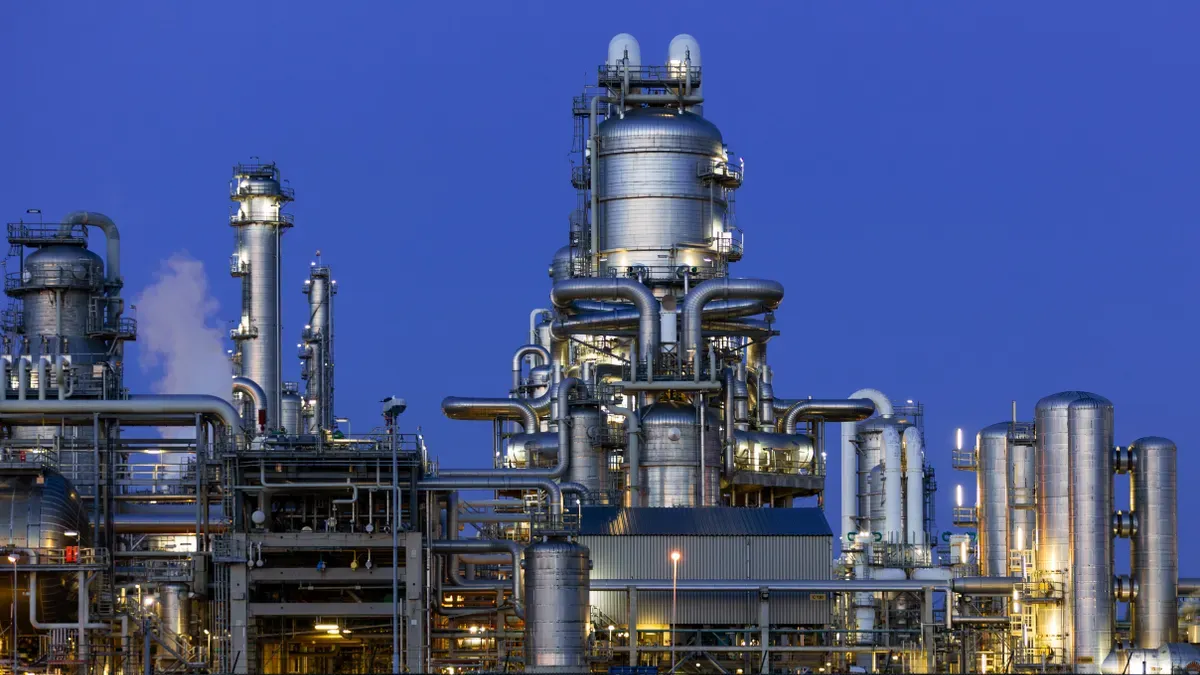
Market Growth Factors in Key Industrial Sectors
Industrial sectors are growing quickly across global manufacturing areas. High demand drives global fire retardant resin production for tough factory uses. The fire retardant resin market for electrical and electronic materials hit about USD 1.47 billion in 2024. Experts project this market value will reach around USD 2.72 billion by 2035. This growth represents a steady yearly increase of 5.75% from 2025 to 2035. Strong sector growth leads to new spending across chemical processing plants. Chemical suppliers build larger composite factories to meet rising world demand and support industry growth.
Smart devices and electric vehicle battery cases create high demand for strong composite parts. Manufacturing leaders spend more money to ensure solid fire safety. Fast city growth creates steady demand for fire retardant resin mixtures in modern building projects. Quick industrial expansion in East Asia opens valuable business chances for local suppliers. High regional growth attracts international composite resin makers. Ongoing material development meets the growing needs of public construction projects.
Critical Regulatory Standards and Safety Certifications
Strict safety rules protect human lives and factory buildings. Chemical suppliers follow all rules to pass mandatory regulatory tests. Full alignment with safety standards like UL94 and IEC codes ensures better safety in home electronic items. Factories use non-halogenated fire retardant resin recipes to satisfy strict fire safety rules. These tough standards improve total part quality and everyday performance. Automatic production lines check compound quality to help maintain steady factory growth.
International safety laws control special factory uses across transit systems. Airplane interior building rules demand total compliance with FAR 25.853, EASA CS-25.853, or CCAR 25.853 codes. Train parts must hold official EN 45545 fire safety approval. These required fire safety rules force chemical companies to make top-grade fire retardant materials. Modern regulatory rules offer new technical chances for composite engineers. Clear industry guidelines build lasting business opportunities across global composite markets. Careful testing methods protect facility growth successfully.
Top Fire Retardant Resin Manufacturer Innovations in 2026

Global Chemical Leaders and Additive System Pioneers
Global chemical producers drive continuous product innovation across the expanding composite market. Global chemical companies like BASF, Huntsman, and LANXESS lead phosphorus-based technology development to replace traditional halogenated additives. These chemical pioneers boost fire resistance by creating reactive intumescent systems. The solid additives form an insulating protective char layer under intense thermal stress. Advanced resin innovation delivers UL 94 V-0 flammability ratings without releasing toxic halogen fumes. The composite market shows high demand for safer chemical formulations for modern transport and electronics applications. Continuous investment in r&d allows global suppliers to enhance glass transition temperatures above 105°C while satisfying EN45545-2 railway safety standards.
Design engineers select flame-retardant composite matrix formulations that combine high mechanical toughness with certified safety. Chemical companies run rigorous testing programs to optimize overall material performance in structural composite components.
Flammability Rating | Glass Transition Temp (°C) | Tensile Breaking Load (MPa) | Elastic Modulus (MPa) | Hardness (Shore D) | Compliance Standard |
|---|---|---|---|---|---|
UL 94 V-0 | >100 | 74 | 3900 | 88 D | EN45545-2 |
UL 94 V-0 | ≥105 | 74 | 3900 | 88 D | RoHS, REACH |
These structural material properties open valuable market opportunities for component suppliers worldwide. Ongoing innovation ensures high chemical resistance against aggressive degradation drivers. Industrial processing plants install robust fire retardant resin systems to achieve greater operational safety. Strategic chemical technology lowers environmental risks while supporting global sustainability goals. Widespread industrial adoption accelerates long-term market growth across green infrastructure sectors.
POLYMER High Performance Resin Solutions
As a leading fire retardant resin manufacturer, Changzhou Polymer Composite Materials Co., Ltd. (POLYMER) spearheads composite development for demanding structural uses. POLYMER delivers specialized resin technology through its flagship High Strength SMC Resin (PLM-2001). This advanced unsaturated polyester formulation targets green building projects and structural applications. The PLM-2001 compound displays exceptional fire safety characteristics in high-risk environments. The resin delivers a very high oxygen index, non-toxic properties, and low smoke density under direct flame exposure. High dimensional stability prevents structural sagging or surface cracking during rapid temperature changes. Lightweight SMC composites made with PLM-2001 replace heavy steel and concrete structures.
POLYMER supports growing market demand through automated synthesis production lines holding official ISO certifications. These automated production systems guarantee exact batch-to-batch consistency and low thermal shrinkage. Experienced technical teams from top universities lead practical product innovation for tailored processing requirements. Polymer engineers customize liquid resin viscosity, gel time, and thickening profiles for specialized molding processes. Ongoing technical innovation creates steady market opportunities for construction firms seeking sustainable composite materials. Focused capital investment helps POLYMER advance low-emission chemistry across the global composite market. The factory expands sustainable fire retardant resin production to accelerate regional market growth.
Partnering with a reliable fire retardant resin manufacturer gives chemical engineers access to custom R&D services and tailored thermosetting formulations. High-grade fire retardant resin formulas protect structural parts under heat. Custom fire retardant resin formulations optimize molding efficiency. Specialized fire retardant resin compounds satisfy municipal building codes. Strict modern building codes require superior structural performance alongside low smoke toxicity for public structures. POLYMER combines high mechanical strength, corrosion resistance, and fire safety in one reliable compound package. High corporate investment in sustainability transforms traditional building methods. Strategic material development fuels market growth across renewable energy, transit systems, and civil engineering infrastructure. Continuous innovation unlocks valuable growth for complex building projects. Modern innovation drives material advancement across demanding industrial sectors. Resin innovation improves thermal barrier performance under extreme flame exposure. Chemical innovation satisfies stringent structural requirements for municipal construction projects. Pioneering innovation positions POLYMER at the forefront of advanced thermosetting materials. High mechanical performance ensures long component service life in outdoor applications. POLYMER advances long-term commitment to sustainability by supplying high-quality thermosetting solutions to global composite manufacturers. Satisfying industrial demand for reliable materials strengthens factory operations worldwide. Enhancing workplace safety across chemical plants protects operating personnel during daily manufacturing tasks. The material delivers outstanding thermal resistance in harsh industrial environments.
Selecting the Right Fire Retardant Resin Systems
Epoxy & Vinyl Ester Resin for Severe Environments
Engineers test resin types to handle tough work settings. Factory tasks often need strong chemical protection and heat defense in warm plants. Phenolic choices give great flame defense, yet epoxy and vinyl ester mixes yield higher physical strength and long life. POLYMER crafts special flame-resistant vinyl ester types with a Heat Deflection Temperature over 105°C. This strong option fights harsh acid, alkali, and bleach damage in rough workplace areas.
Resin Chemistry System | Heat Deflection Temperature (°C) | Chemical Resistance Profile | Fire Safety Performance Rating |
|---|---|---|---|
>105 | Exceptional Acid and Alkali Resistance | UL-94 V-0 Options Available | |
Phenolic Systems | >150 | Moderate Chemical Resistance | Superior Char Formation |
Picking good additives speeds up material hardening and lifts heat limits. Makers must choose correct cobalt boosters to gain maximum polymer bonding strength. Expert teams use a post-curing heating cycle of two hours at 80°C then two hours at 100°C. This heating step guarantees full resin hardening and builds top flame protection output.
Unsaturated Polyester Resin and SMC Compounds
The composite field grows steadily as new building works drive material use. A top fire retardant resin maker offers unsaturated polyester resin to fuel global business expansion. Mixing 17 wt.% ammonium polyphosphate, 1 wt.% montmorillonite, and 2 wt.% zinc borates reaches a V-0 UL-94 score. This smart chemical mix boosts material pulling power by 70%. Joining unsaturated polyester with phenolic resin extra increases fire safety.
Growing market needs speed up composite tech progress in transport fields. Sheet molding compounds require exact thickness management to fulfill safety rules in public travel. Adding mineral fillers raises fire protection without losing physical power. These smart material updates meet user needs while keeping entire plant operations safe. Steady industry progress expands plant resin uses, boosting long-term composite trade growth across global power markets.
Sustainability and Advanced Flame Retardant Technologies
Halogen-Free Chemistries and Eco-Friendly Additives
World environmental laws speed up the switch to safer flame-resistant ingredients. Factory engineers trade old halogen chemicals for natural organic materials instead. Everyday substances like plant cellulose, sea shells, wood lignin, and crop acid give great fire safety. These plant-based elements hold helpful oxygen, acid, and phosphorus parts inside. Their special parts create a strong char shield during fires, which stops burning without releasing bad fumes. Chemical makers choose these clean methods to meet new safety rules and buyer needs.
Expanding fire-blocking formulas offer clean burning for strong composite mixtures. These clever safety systems combine three main helper parts:
An acid starter like ammonium polyphosphate
A carbon builder like plant starch or pentaerythritol
A gas expander like safe melamine
The acid base breaks down under hot flames to produce strong mineral acid. This active acid forces the carbon source to dry out and build dark char. At the same time, the gas ingredient lets out harmless puffing vapors. These rising gases blow the char into a thick, foamed safety blanket. This solid cover stops air flow, protects inner plastics, and cuts down thick smoke.
intumescent char barrier = acid source + carbon source + gas source
Sustainability Trends Driving Composite Formulations
Modern material building uses smart rock powder mixes to raise structural flame safety. Adding hydromagnesite and natural zeolites into plastic blends boosts pulling strength from 15.6 MPa up to 22.9 MPa. This unique powder mix earns a UL94 V-0 safety pass while lifting real material toughness. Natural mineral additives toughen fire retardant resin formulations without dropping overall physical power.
Criteria | Phosphate/Intumescent Systems | Brominated Systems |
|---|---|---|
Halogen Content | Halogen-free | Contains bromine |
Toxic Gas Emission | Eliminates toxic halogenated gases | Releases corrosive halogen acids |
Smoke Production | Generates low-density smoke | Produces dense smoke |
Top factory leaders raise study spending to catch new business expansion. Tough safety laws create fine sales chances for green building options. Polymer makers grow resin research to supply clean products across public building tasks. Constant material updates lift nature safety and guide global composite sales forward. New chemical steps help global trade expand while protecting everyday factory workers everywhere.
Top chemical companies and experts like POLYMER lead the way in modern industrial materials. These top makers set high standards for creating better materials. Picking the best fire retardant resin manufacturer requires a simple checklist for every industry:
Performance rules: Pick a fire retardant resin with a heat limit of 112 °C @ 0.45 MPa.
Safety needs: Check for low smoke risk and standard regulatory approval.
Quality checks: Require ISO 9001 quality certificates and UL safety seals to follow rules.
Special blends: Use custom research ideas to improve green production.
Ongoing development builds green options for transit, electronics, building, structural, infrastructure, and power industries. This bright future speeds up total business expansion.
FAQ
What metrics define the best fire retardant resin for industrial applications in the global composite market?
Engineers check fire safety scores, low smoke levels, and high heat limits. Buyers want strong real-world durability that meets official UL94 safety rules. Smart chemical updates help materials stay stable inside tough factory work areas.
How does halogen-free resin technology improve modern manufacturing safety?
Halogen-free chemicals stop harmful acid fumes during fires to protect workers better. Factory teams add phosphorus blends to improve sales results and daily building safety. This fresh material step supports green nature goals while staying very tough under fire.
Why do composite manufacturers post-cure vinyl ester resins?
Makers heat vinyl ester materials to complete full chemical bonding inside the plastic. Extra heating unlocks heat limits above 105°C and provides top acid protection. Right heat steps ensure lasting strength across the growing anti-rust composite industry.
What role does SMC resin innovation play in green building growth?
Strong SMC recipes offer light structural choices to replace heavy steel and concrete. Modern production steps speed up adoption across major public building projects. This active progress drives eco-friendly habits and fuels quick growth in new building areas.
How do manufacturers ensure consistent quality across global shipments?
Automatic factory lines use smart digital control setups to track every step. Automated steps secure steady batch quality across composite markets and keep supply lines flowing. Solid quality checks lower shipping dangers while helping global trade expand smoothly.