





The best types of unsaturated polyester resins for industrial use
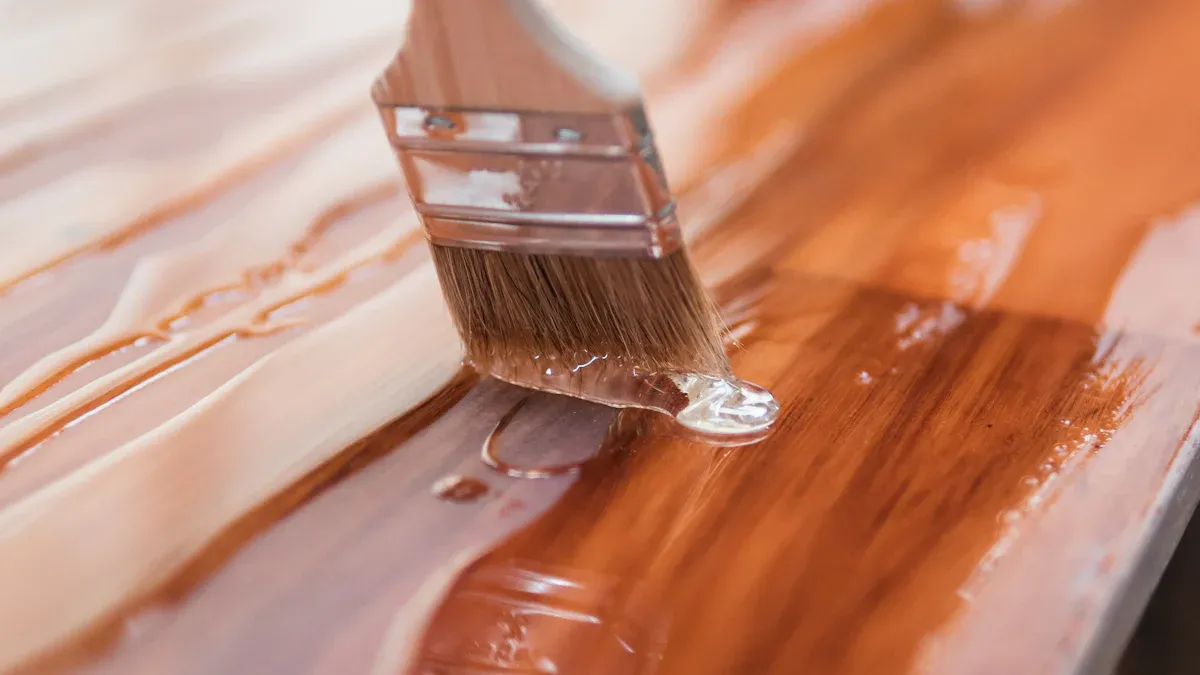
The most common unsaturated polyester resins for industry are orthophthalic, isophthalic, DCPD, bisphenol A, and flexible types. Picking the right resin is very important. It affects how strong and tough the product is. It also affects how well it stands up to tough conditions. Recent market data says orthophthalic resins have a 36.8% market share. This is because they are cheap and can be used in many ways. This guide helps you choose the best unsaturated polyester resin for your process and needs. Picking a good supplier like POLYMER gives you steady quality and expert help. View authoritative chemical introduction of unsaturated polyester resin
Key Takeaways
Choose orthophthalic resin for everyday use. It is cheap and works for many jobs.
Pick isophthalic resin for projects that need to resist chemicals. It is good for tanks, pipes, and boats.
Use DCPD resin for parts that need a smooth look and don’t shrink much. It is best for car panels and big molds.
Go with bisphenol A resin in tough chemical places. It can handle strong acids and high heat well.
Think about flexible resin for parts that need to bend and last. It is good for parts that must flex without breaking.
Need Custom Unsaturated Polyester Resin Matching Your Production?
Our technical team provides free formulation recommendation, sample support and production technical troubleshooting service
Send Inquiry NowUnsaturated Polyester Resin Types

Not every resin is the same. Each unsaturated polyester resin has its own best use. The table below shows the main types and where you can use them: ASTM standard for polyester resin performance testing
| Resin Type | Overview | Applications |
|---|---|---|
| Orthophthalic Polyester Resin | This type is used the most. It is not expensive and works well. | You can use it for many jobs, like making things or covering surfaces. |
| Isophthalic Polyester Resin | This type stands up to chemicals better than orthophthalic. | It is good for places with strong chemicals, tanks, pipes, and boats. |
| Dicyclopentadiene (DCPD) | This type does not shrink much and is tough. | Use it for big molds or parts that must keep their shape. |
Orthophthalic Resin
Orthophthalic resin is the most used unsaturated polyester resin in factories. People pick this resin when they want something that is not too costly but still works well. Its chemical makeup gives it good strength and some chemical resistance. It is good for many jobs, but it does not do well with strong acids or high heat.
Tip: Orthophthalic resin is a smart pick for many uses. You can use it for car parts, boat parts, and building things like roof panels and sinks.
Here are its main features:
| Property | Description |
|---|---|
| Mechanical Strength | It is strong enough for daily use. |
| Chemical Resistance | It can handle some chemicals, but not strong acids or bases. |
| Thermal Stability | It does not work well in very hot places. |
You will see orthophthalic resin in boats, light car parts, covers for wires, and even art or medical items.
Isophthalic Resin
Isophthalic resin is stronger and stands up to chemicals better than orthophthalic resin. Its molecules are packed closer together, so it is tougher and keeps out water and chemicals. This resin lasts longer in hard places.
Isophthalic resin is both strong and flexible.
It can take hits and does not crack easily.
Its tight structure keeps water out, so it is great for boats.
You can use isophthalic resin for tanks, pipes, and boat hulls. It is also good for chemical plants and other tough places.
Note: Isophthalic resin can be harder to use because it is thicker, but it lasts longer and is stronger.
DCPD Resin
DCPD resin means dicyclopentadiene unsaturated polyester resin. You will notice its special features right away. DCPD resin does not shrink much, so your parts keep their shape. It also dries fast and can take high heat.
| Property | Description |
|---|---|
| Low Shrinkage | Parts stay the right size. |
| Fast Curing | It dries quickly, which helps make things faster. |
| High Filler Loading | You can add more fillers, which saves money and makes sanding easier. |
| Superior Flexibility | It takes in shakes and stops cracks in car parts. |
| Thermal Stability | It works well in hot places. |
You will use DCPD resin for big molds, car panels, and parts that need a smooth look. It is also good for things that must keep their shape, like wind covers or building panels.
DCPD resin is liked for car parts because it takes hits and does not crack.
You can add lots of fillers to DCPD resin, which saves money and helps with sanding.
Bisphenol A Resin
Bisphenol A resin is a special kind of unsaturated polyester resin. You pick this resin when you need something that stands up to strong chemicals, like acids or alkalis. Its structure makes it very strong and steady.
| Benefit | Description |
|---|---|
| Corrosion Resistance | It stands up to harsh chemicals, especially alkalis. |
| Suitability for Harsh Environments | It works well in chemical plants and equipment. |
You will see bisphenol A resin in chemical tanks, pipes, and floors in factories. It is a good choice for any job where there are strong chemicals or high heat.
Tip: For the toughest chemical places, you can also look at terephthalic or vinyl ester resins, which are even stronger.
Flexible Resin
Flexible resin is not like the other types. You use it when you need something that bends without breaking. Flexible unsaturated polyester resin can stretch and take hits, so it does not crack. If you add glass fibers, it gets even stronger and can hold heavy things.
| Application Area | Description |
|---|---|
| Composites | Used in plastics with fibers for strong parts. |
| Coatings | Puts a protective layer on many things. |
| Molded Parts | Good for making shapes that are not simple. |
| Construction | Used in roof sheets and panels that face weather. |
| Marine | Works well in boats and water tanks. |
| Automotive | Used in car body panels and inside car parts. |
| Electrical | Good for parts that need to be strong and safe from electricity. |
| Industrial Components | Used in many places where strength and chemical resistance are needed. |
Flexible resin helps you make things that need to be strong and bendy. You will find it in building, car, boat, and electrical jobs.
When you need a resin that can take heavy loads and bend, flexible unsaturated polyester resin is the best choice.
Key Properties and How They Work
Chemical Resistance
When picking a resin, think about how it handles chemicals. Orthophthalic resins can handle mild chemicals but not strong acids or bases. Isophthalic resins protect better against tough chemicals and water. Bisphenol A resins resist the strongest chemicals, like strong acids and alkalis. If you work in a chemical plant or near saltwater, choose isophthalic or bisphenol A resin.
| Resin Type | Chemical Resistance |
|---|---|
| Orthophthalic | Moderate |
| Isophthalic | High |
| Bisphenol A | Excellent |
| DCPD | Good |
| Flexible | Depends on the formula |
Tip: For tanks, pipes, or marine parts, isophthalic and bisphenol A resins are best for chemical resistance.
Mechanical Strength
Mechanical strength shows how much force a part can take before breaking. Orthophthalic resins are strong enough for normal jobs. Isophthalic resins are even stronger and last longer. DCPD resins are very stiff and keep their shape well. Flexible resins bend and stretch without breaking, which helps absorb shocks.
Orthophthalic resins are good for cost and strength.
Isophthalic resins are tougher and last longer.
DCPD resins are very rigid and give a smooth look.
Flexible resins resist impacts and shocks.
Isophthalic resin is best for parts that get hit suddenly, like car panels or sports gear.
Heat Resistance
Heat resistance is important if your product gets very hot. Each resin has a heat deflection temperature (HDT). This is the highest temperature it can handle before softening.
| Resin Type | Heat Deflection Temperature (HDT) |
|---|---|
| Orthophthalic | 60–80°C |
| Isophthalic | 95–120°C |
| Bisphenol A | 130–150°C |
| DCPD | 80–100°C |
| Flexible | 60–90°C |
Use bisphenol A resin for the hottest jobs.
Surface Finish and Shrinkage
Surface finish is how smooth and shiny your part looks. Shrinkage is how much the part changes size as it cures. DCPD resins give the best surface finish and shrink the least. They are perfect for car panels and big molds. Orthophthalic and isophthalic resins also look good, but DCPD is the best for a perfect, glossy surface.
Note: If you want a smooth, shiny surface with little shrinking, pick DCPD resin.
Now you can choose the right unsaturated polyester resin for your project by looking at these key features.
Choosing the Right Unsaturated Polyester Resin
Application Requirements
First, think about what your product must do. Ask yourself some questions to help decide:
Will your part touch water, chemicals, or heat?
Does it need to be strong, flexible, or both?
Should the surface look shiny and smooth?
If you need a part for a boat or chemical tank, pick a resin that resists water and chemicals. Isophthalic and bisphenol A resins are best for these jobs. For car panels or big molds, DCPD resin gives a smooth finish and keeps the shape. If you want something that bends but does not break, use a flexible resin.
Tip: Write down your main needs before you choose a resin. This helps you find the right type for your project.
Molding Process Compatibility
How you make your part is important too. Each unsaturated polyester resin works best with certain molding methods. Here is a simple table to help you:
| Molding Process | Best Resin Types |
|---|---|
| Hand Lay-Up | Orthophthalic, Isophthalic |
| Filament Winding | Isophthalic, Bisphenol A |
| Pultrusion | Orthophthalic, Isophthalic |
| Vacuum Infusion | DCPD, Isophthalic |
| SMC/BMC Molding | DCPD, Orthophthalic |
If you use vacuum infusion, DCPD resin is good for low shrinkage and a nice surface. For hand lay-up, orthophthalic resin is easy to use and saves money.
Cost and Supplier Factors
Think about your budget and where you buy your resin. Orthophthalic resin costs less and works for many uses. Isophthalic and bisphenol A resins cost more but work better. Always pick a supplier who gives steady quality and technical help.
POLYMER is a trusted supplier. Their team helps you pick the right unsaturated polyester resin and solves problems during production. They also deliver fast and check the quality of every batch.
Note: Good supplier support means fewer problems and better results for your project.
Industrial Uses
Construction and Building Projects
You see these resins in many building jobs. Orthophthalic resin is good for roof sheets, wall panels, and water tanks. Isophthalic resin is better for bridges, cooling towers, and pipes that face bad weather or chemicals. DCPD resin makes big panels and decorative parts with a smooth look. Builders use flexible resin for parts that need to bend, like expansion joints or flexible panels.
Tip: For strong, weather-proof parts in buildings, isophthalic and DCPD resins are best.
Boats and Watercraft
Boat makers use these resins to make boats strong and water-proof. Isophthalic resin is used for hulls and decks because it keeps water out and lasts longer. DCPD resin gives a smooth finish to boat parts. Flexible resin helps with repairs and parts that need to bend.
| Application Type | Description |
|---|---|
| Marine Resin for Boats | Used in building and fixing boats, applied to hulls and decks to keep water out. |
| Marine Resin for Wood | Seals outdoor wooden structures, stopping moisture and decay, making them last longer. |
| Marine Resin for Plaster | Covers plaster surfaces that get wet, stopping water damage. |
Cars and Transportation
Car and truck makers use these resins for body panels, bumpers, and inside parts. DCPD resin is popular for big panels because it keeps its shape and looks smooth. Isophthalic resin is best for parts that need to resist chemicals and heat. Flexible resin makes parts that can absorb shocks.
| Key Point | Description |
|---|---|
| Chemical Types | You need to know the different chemical types to pick the right resin. |
| Performance vs Ease of Use | You must balance how well the resin works with how easy it is to work with. |
| Safety Rules | Make sure the resin meets safety and quality rules. |
| Total Cost | Think about all costs, including support and long-term use. |
Chemical Industry
Factories that work with acids, alkalis, or solvents use bisphenol A resin for tanks, pipes, and floors. This resin handles tough chemicals and high heat. Isophthalic resin also works well for storing and moving chemicals. Orthophthalic resin is good for less tough jobs, like covers or trays.
Note: For the hardest chemical jobs, bisphenol A resin is the best.
Electricity and Wind Power
You find these resins in wind turbine blades and electrical parts. Wind turbines need strong, light blades. DCPD and isophthalic resins help make blades that last long. More wind farms mean more demand for these resins. In electronics, these resins coat and protect wires and parts. They insulate well and keep devices safe. U.S. National Renewable Energy Laboratory: Composite material application on wind turbine
These resins are used for wind blades because they are strong and light.
They protect electronic parts with their insulating power.
The market for these resins in electronics is growing.
They help make wind energy more eco-friendly.
Quick Reference Table
Picking the right unsaturated polyester resin can be hard. You might want an easy way to compare your choices. This table shows the main types, their top features, and where to use them. Use it when you need to decide fast for your project.
Tip: Print or save this table for your shop. It will help you choose the right resin every time!
| Resin Type | Key Properties | Best-Use Scenarios | Cost Level |
|---|---|---|---|
| Orthophthalic | Good strength, basic chemical resistance, easy to use | General FRP parts, panels, bathtubs, covers | Low |
| Isophthalic | High chemical and water resistance, strong, durable | Marine hulls, tanks, pipes, outdoor parts | Medium |
| DCPD | Low shrinkage, smooth finish, fast curing | Car panels, large molds, wind covers | Medium |
| Bisphenol A | Excellent corrosion and heat resistance, very strong | Chemical tanks, factory floors, hot pipes | High |
| Flexible | High impact resistance, bends without breaking | Flexible panels, impact parts, crafts | Medium-High |
How to use this table:
Think about what your project needs.
Pick the resin type that fits your main need.
Look at the best-use ideas for help.
Check the cost to see if it fits your budget.
Orthophthalic resin is good for most jobs and is not expensive. Isophthalic resin is great for water and chemicals, so use it for boats and tanks. DCPD resin gives a smooth look and keeps parts the right size. Bisphenol A resin is best for tough chemical jobs and high heat. Flexible resin is good when you need parts that bend or take a hit.
If you are still not sure, ask a technical expert at POLYMER. They can help you pick the best resin for your job.
You now know the main types of unsaturated polyester resins and where they work best.
Use orthophthalic resin for general parts.
Pick isophthalic resin for water or chemical jobs.
Choose DCPD resin for smooth, stable panels.
Select bisphenol A resin for harsh chemicals or heat.
Try flexible resin for parts that bend.
For the best results, talk to POLYMER’s experts. They help you match the right resin to your project and process.
FAQ
What is the main difference between orthophthalic and isophthalic resins?
Orthophthalic resins cost less and work for general jobs. Isophthalic resins resist water and chemicals better. You should use isophthalic resin for boats or tanks that face tough conditions.
Can you mix different types of unsaturated polyester resins?
You should not mix different resin types. Mixing can lower the strength and change how the resin cures. Always use one type for each project to get the best results.
How do you store unsaturated polyester resin safely?
Store resin in a cool, dry place. Keep it away from sunlight and heat. Close the lid tightly after use. This helps the resin last longer and stay safe to use.
Why should you choose POLYMER as your resin supplier?
POLYMER gives you steady quality and fast delivery. Their experts help you pick the right resin and solve problems. You get support from start to finish.
How do you know which resin is best for your project?
Think about what your part needs to do.
Check if it must resist water, chemicals, or heat.
Pick the resin that matches your needs.
Ask a POLYMER expert if you need help.