


Social Media

Social Media

Engineered to withstand the most relentless chemical and thermal environments, this premium bisphenol A vinyl ester resin for electrolytic cells is the definitive structural matrix for non-ferrous metal smelting and heavy-duty electroplating infrastructure.
Seamlessly compatible with hand lay-up, spray-up, and automated molding processes, this high elongation bisphenol A resin functions flawlessly as both an impenetrable anti-corrosion lining and a highly rigid structural core. It empowers metallurgical fabricators to produce leak-proof, fully insulated cell matrices that absorb severe thermal shocks without delamination.
Engineered for the most aggressive industrial environments, POLYMER's premium bisphenol A vinyl ester resin for electrolytic cells is the ultimate structural matrix for heavy-duty containment. As a leading chemical resistant vinyl ester resin manufacturer, we have precision-tailored this thermosetting polymer to deliver unparalleled structural stability, balancing processing ease with massive mechanical resilience.
Optimized for highly versatile applications ranging from automated filament winding to manual hand lay-up, this high elongation bisphenol A resin exhibits ideal moderate flow. It ensures rapid, void-free fiberglass wetting, effectively releasing trapped air to prevent delamination. Coupled with a low-exothermic curing profile, it guarantees a dense, crack-resistant, and pinhole-free composite structure capable of withstanding extreme hot chemical media and relentless outdoor weathering.
Whether you fabricate critical metallurgical cells or construct massive chemical storage infrastructure, our robust vinyl ester resins secure your project's longevity:
For Electrolytic Cell Fabricators: Leverage our high toughness structural resin for metallurgy. Its high elongation prevents brittle fracturing during the intense thermal cycling of copper, zinc, and chlor-alkali electrolysis processes.
For Heavy FRP Tank Contractors: Achieve superior wall density. Our low exothermic FRP resin for thick walls cures gradually, completely eliminating internal thermal stress cracks in large-diameter chemical storage tanks.
For Composite Pipe Manufacturers: Utilize a highly versatile filament winding resin for chemical tanks and pipelines that rapidly saturates reinforcing mats, drastically reducing defect rates and boosting production efficiency.
For Regional Raw Material Distributors: Source directly from a verified bulk epoxy vinyl ester resin supplier in China. We offer bespoke OEM formulation (viscosity/gel time) adjustments, robust IBC export packaging, and highly competitive wholesale pricing.

Exceptional mechanical elongation ensures the cell matrix absorbs extreme thermal shocks and pressure surges without brittle fracturing.

Highly versatile matrix engineered with ideal flow control, neither running nor piling up, making it perfect for both winding and manual laminating.

Rapid fiberglass saturation easily forces out trapped air bubbles, producing an incredibly dense, pinhole-free anti-corrosion barrier.

Gradual heat release during polymerization entirely prevents internal warping or cracking, making it ideal for molding ultra-thick electrolytic cell walls.
| Property | Range | Unit | Test Standard |
|---|---|---|---|
| Appearance | Pale yellow transparent | — | GB/T 8237 |
| Viscosity at 25℃ | 300 – 450 | mPa·s | GB/T 7193 |
| Solid content | 58 – 65 | % | GB/T 7193 |
| Gel time at 25℃ | 15 – 25 | minutes | GB/T 7193 |
| Shelf life (uninitiated, dark) | 3 | months | — |
* Note: Gel time tested at 25℃ by adding 2.0 g accelerator and 2.0 g M-50 (AKZO-Nobel) to 100 g resin.
| Property | Value | Unit | Test Standard |
|---|---|---|---|
| Tensile strength | 70 | MPa | GB/T 2567 |
| Tensile modulus | 3100 | MPa | GB/T 2567 |
| Elongation at break | 3.0 | % | GB/T 2567 |
| Flexural strength | 120 | MPa | GB/T 2567 |
| Flexural modulus | 3500 | MPa | GB/T 2567 |
| Impact strength | 12.0 | kJ/m² | GB/T 2567 |
| Heat distortion temperature | 75 | ℃ | GB/T 1634 |
* Curing conditions: Room temperature curing for 24 hours, post-curing at 60℃ for 3 hours and at 100℃ for 2 hours. Test conditions: Temp 23±2℃, RH 50±6%.
| Item No | Chemical Category | Viscosity (mPa·s) | Gel Time (min) | Forming Process | Application | Feature Description |
|---|---|---|---|---|---|---|
| PLM-3301 | Bisphenol A | 400-550 | 7-15 | Hand Layup Winding | Storage tanks, pipelines | Moderate corrosion & high toughness |
| PLM-197 | Bisphenol A Epoxy | 550-900 | 14-26 | Hand Layup Winding | Electrolytic cells, tanks | High elongation; severe chemical/alkali resistance |
| PLM-4430 | VER | 300-500 | 10-30 | Hand Layup Winding | Anti-corrosion pipeline | High corrosion & impact resistance |
| PLM-4470 | PF VER | 200-400 | 10-30 | Hand Layup Winding | Extreme condition pipes | High-temperature and structurally robust |
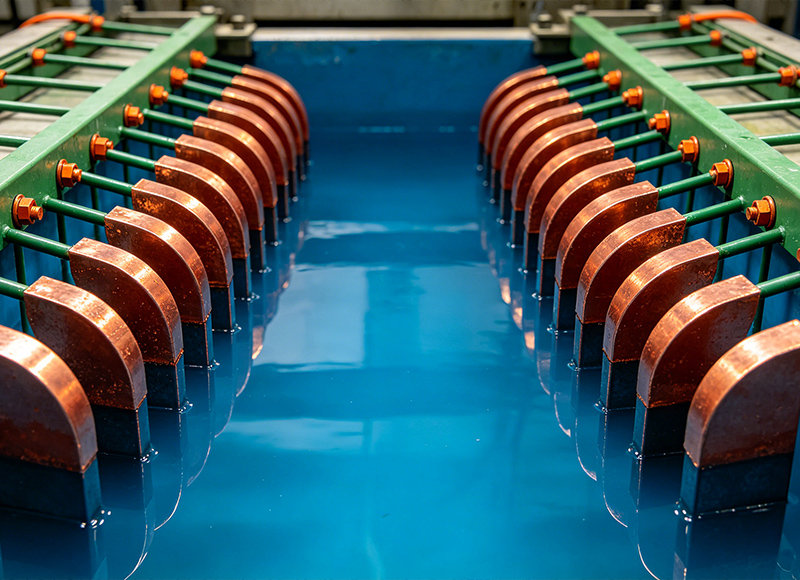
High toughness structural resin for metallurgy preventing brittle fractures during thermal cycling in copper and zinc processing.
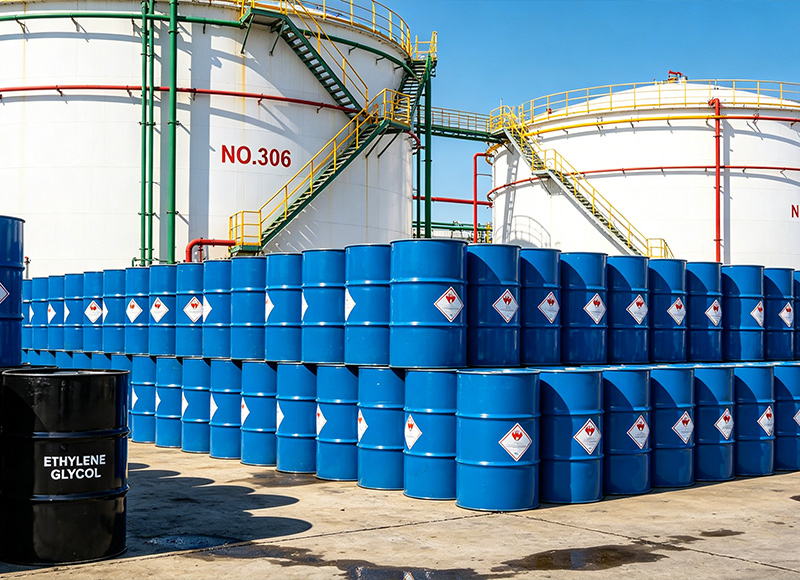
Crack resistant FRP tank polymer ensuring zero leakage and delamination in buried corrosive chemical vessels.
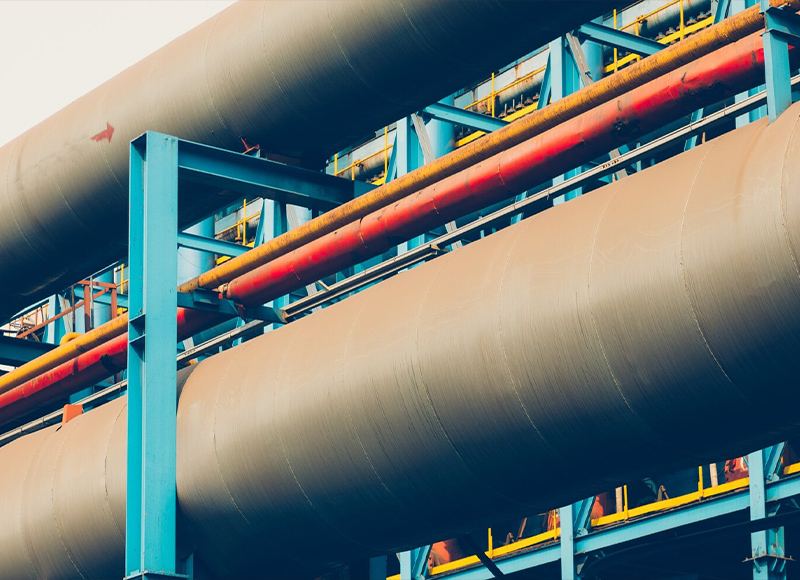
Weather resistant FRP pipeline matrix ensuring massive hydraulic pressure tolerance for municipal water grids.
Hand layup anti-corrosion vinyl ester resin offering perfect manual brushability without excessive dripping.
Connect directly with our factory engineering team for an Instant Quote, customized technical data sheets, or to request free material samples for your filament winding or hand layup trials. We guarantee reliable international shipping, CE/ISO certified quality, and highly competitive factory-direct pricing.




Submit your application and molding process. Our polymer engineers will provide a material selection guide and dispatch free test samples rapidly.
Whatsapp: +86-18068598369
+86-13401564599
E-mail: sales@czpolema.com
renato@czpolema.com
ADD: No. 366 Heping Middle Road, Tianning District, Changzhou City, Jiangsu Province, China